Shopify Capital Eligibility Review: Is Your Store Eligible 2026?
- What is Shopify Capital and Why It Matters to Your Store?
- How Shopify Capital Works
- Pros and Cons of Shopify Capital
- Shopify Capital Eligibility Criteria Explained: 2026 Update
- Common Reasons Shopify Rejects Eligibility
- How to Improve Your Shopify Capital Eligibility?
- FAQs about Shopify Capital Eligibility Review
- Wrapping Up
Is Shopify Capital within reach for a growing store, or just out of scope? Many merchants overlook key signals that influence approval. This guide breaks down the exact factors Shopify evaluates, from sales consistency to account history and risk patterns related to Shopify Capital eligibility review. Clear criteria, common disqualifiers, and timing insights help remove guesswork from funding decisions. Discover how eligibility really works and see whether a store is positioned for Shopify Capital. Let's read on to find out.
What is Shopify Capital and Why It Matters to Your Store?

What is it?
Shopify Capital is a built-in financing program offered through the Shopify platform. It provides funding to eligible merchants based on store performance and sales history, without relying on traditional credit checks or lengthy applications, an important factor highlighted in every Shopify Capital eligibility review. Offers appear right in the Shopify admin when a store meets Shopify’s criteria, and repayments are typically made as a percentage of daily sales.
This funding option is designed to give merchants quick access to cash needed for growth or operations. Shopify evaluates eligibility automatically, so offers can change as store activity and sales trends evolve, which makes ongoing Shopify Capital eligibility review essential.
Common types of Shopify Capital funding
Shopify Capital delivers funding mainly in two forms. Each type works a bit differently, so merchants can choose the one that aligns best with their business needs and cash flow patterns reviewed during a Shopify Capital eligibility review.
Merchant Cash Advances (MCA): A lump sum is provided up front, and Shopify collects a percentage of daily sales until the total, plus a fixed fee, is repaid. This structure is flexible because payments adjust based on actual sales.
Short-Term Loans****: A fixed amount is borrowed and repaid in set installments over a period. Payments do not vary with daily sales and are more predictable. Sellers reducing purchase friction can also review BNPL checkout options through Afterpay Shopify.
These funding paths cater to different sales patterns:
| Feature | Merchant Cash Advance | Shopify Term Loan |
|---|---|---|
| Repayment Method | % of daily sales | Fixed schedule |
| Predictability | Lower | Higher |
| Best for | Variable sales | Consistent sales |
| Cash flow impact | Flexible | Structured |
What you can use Shopify Capital for
Shopify Capital funds can support many business needs, with no restrictions on most types of use. Understanding approved use cases helps align spending with Shopify Capital eligibility review expectations.
Common purposes include:
Inventory expansion: Buy more products or diversify offerings before peak seasons.
Marketing and ads: Invest in paid ads, social media campaigns, or SEO to drive new traffic.
Hiring and payroll: Bring on new staff or cover wages during busy periods.
Product launches: Fund development, production, and launch campaigns for new items.
Store optimization: Improve site design, speed, or customer experience to boost conversions.
How Shopify Capital Works
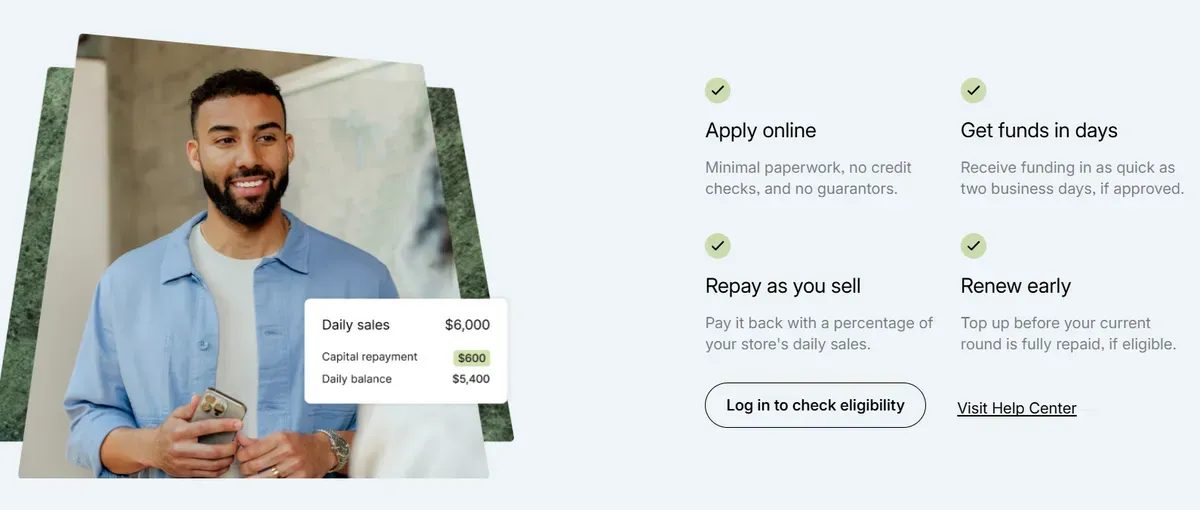
Shopify Capital works through a clear step-by-step process that starts with eligibility and ends with daily repayment based on sales. Each stage reflects signals measured during a Shopify Capital eligibility review.
Below are the key stages of a Shopify Capital eligibility review every store owner should know before accepting an offer:
Check eligibility
Shopify continuously reviews store performance and sales data to identify stores that might qualify for funding.
If your store meets the internal criteria, an offer appears in the Shopify admin dashboard.
You may also get notified by email that an offer is available.
Receive and review offers
Once eligible, Shopify presents one or more pre-qualified funding offers.
Each offer includes the amount, repayment terms, and any fees or factor rate.
Review these details carefully before moving ahead.
Accept an offer
Click to accept the offer you want in the Shopify admin.
Shopify’s underwriting team confirms your acceptance and finalizes the funding.
This step triggers the funding deposit.
Get funding
Funds are typically deposited into the designated bank account within a few business days after acceptance.
The timing is usually faster than traditional lenders.
Once deposited, the capital is ready to use for business needs.
Repayment starts
Repayments begin after funds arrive and are made through a percentage of daily sales.
Shopify automatically deducts a set remittance rate from sales revenue each day.
This continues until the full amount, including fees, is paid off.
Pros and Cons of Shopify Capital

Before deciding to use Shopify Capital, you should weigh the benefits and drawbacks clearly based on how it might affect your cash flow and operations.
Pros:
Fast funding turnaround: Money can be deposited within days after accepting an offer.
No credit score requirement: Approval is based on store performance, not personal credit.
Flexible repayment: Payments adjust with daily sales, which can ease pressure during slow periods.
Integrated dashboard management: Funding and repayments are tracked inside Shopify for easy access.
No application fees: Shopify does not charge to apply, keeping upfront costs low.
Cons:
Higher costs than traditional loans: Factor rates can translate into a higher overall cost.
Eligibility isn’t transparent: Shopify doesn’t disclose clear criteria, leaving merchants unsure of qualification details.
Daily sales deductions can impact cash flow: A set percentage of sales goes toward repayment, which may limit funds for other expenses.
Limited availability: Only stores on Shopify in select countries can access capital.
Shopify Capital Eligibility Criteria Explained: 2026 Update
Shopify Capital requirements
Shopify Capital has a set of conditions that stores must generally meet to qualify for funding offers. These conditions form the backbone of every Shopify Capital eligibility review.
Key eligibility points include:
Active Shopify plan: Store must be on a paid Shopify plan and running for at least three months or have completed its first sale more than three months ago.
Consistent sales performance: Stable sales volume, frequent order days, and reliable shipping history improve qualification odds.
Low dispute and chargeback rates: High customer disputes or frequent chargebacks can signal risk and affect eligibility.
Compliant with Shopify Terms of Service: Stores must follow Shopify’s rules and platform agreements to remain eligible.
Supported location and currency settings: Store must be in a supported country with matching bank account currency requirements.
Good payment history: Failed billing attempts or poor payment records for Shopify services can lower eligibility scores.
No prohibited products: Selling restricted or disallowed items removes eligibility for Shopify Capital funding.
Missing even one factor can negatively affect Shopify Capital eligibility review outcomes.
How Shopify Reviews Your Store for Eligibility
Shopify uses a step-by-step process to assess store eligibility before generating a funding offer. The steps related to Shopify Capital eligibility review include:
Step 1: Automated evaluation
Shopify runs regular automated checks on store data such as sales history, customer engagement, disputes, chargebacks, and platform activity. This forms the base assessment of store performance.
Step 2: Compliance scans
The platform reviews compliance with terms of use, acceptable product listings, and overall adherence to Shopify’s policies. Non-compliance detected here can remove a store from eligibility.
Step 3: Sales and risk metrics
Sales volume, frequency of sales days, and financial patterns are measured against internal thresholds. High risk signals like payment disputes or sudden drops in revenue may drop eligibility.
Step 4: Geographic and bank checks
Shopify confirms that store location, currency settings, and bank account details match supported regions and payout rules. Mismatches here can block offers.
Step 5: Offer generation
Stores that pass all checks may receive an invitation in the Shopify admin and via email. Merchants can then view funding terms and choose to apply.
Common Reasons Shopify Rejects Eligibility

Shopify Capital doesn’t approve every store that hopes to get funding. Rejections often occur when performance signals fail a Shopify Capital eligibility review.
Below are the reasons why many stores are rejected:
The store is too new or has a low sales history.
Inconsistent sales performance or recent sales decline.
High chargeback, refund, or payment dispute rates.
Failed billing attempts or poor payment history.
Selling prohibited products under Shopify’s Terms of Service.
The store is not actively using Shopify Payments or has not set up an approved payout.
Business entity type is not supported, such as certain trusts or partnerships.
How to Improve Your Shopify Capital Eligibility?
Improving eligibility for Shopify Capital takes ongoing effort and focuses on key business metrics. Small changes to store performance, customer experience, and payment flow can strengthen your profile and help increase the chance of receiving offers. Below are practical steps that align with how Shopify evaluates eligibility.
Boost Sales Consistency and Customer Trust
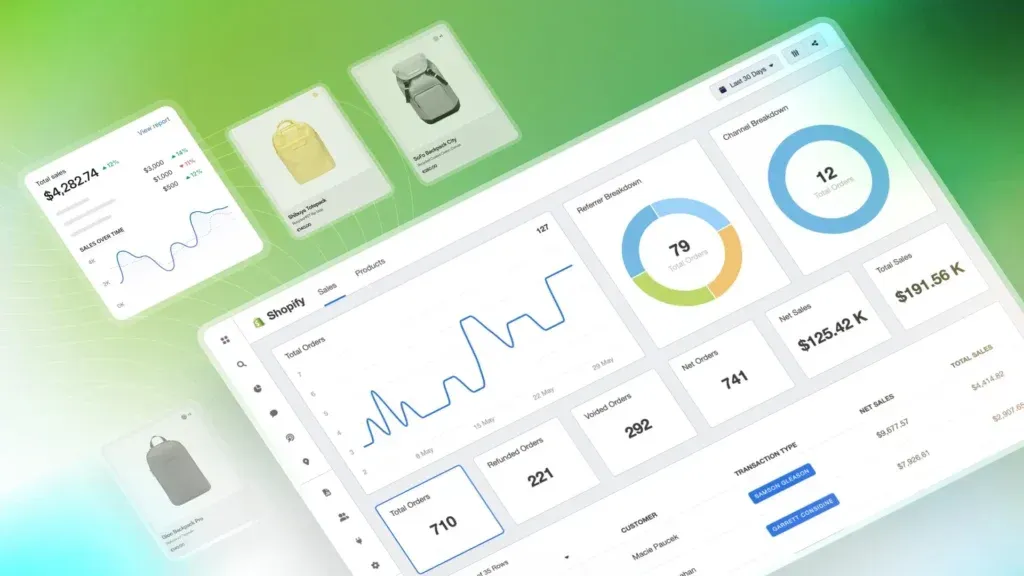
Consistent revenue growth is one of the strongest signals Shopify looks at for funding eligibility. Stores with stable and predictable sales patterns show financial health and repayment ability. Target regular monthly sales growth by refining product listings, improving conversion rates, and increasing repeat customer purchases.
Building customer trust also plays a key role. Improve Shopify Capital eligibility review scores, display clear product details, and streamline checkout to reduce abandoned carts and boost conversion. Strong trust and sales consistency can lift the likelihood of an eligibility offer.
Minimize Disputes and Returns
Low dispute and return rates show Shopify that customers are satisfied and your fulfillment process is dependable. Frequent disputes or refunds can be interpreted as risk flags, reducing eligibility chances.
To reduce disputes and returns:
Clearly describe products and set accurate expectations.
Provide reliable shipping estimates and tracking updates.
Respond quickly to customer concerns and resolve issues before they escalate.
Good customer service and clear policies help keep dispute rates low, which strengthens eligibility.
Increase Platform Engagement
Active engagement with the Shopify platform signals stability and growth potential. Shopify monitors actions like adding products, updating themes, and using platform features when considering Capital offers.
Ways to increase engagement:
Update product listings with fresh images and descriptions.
Add apps that improve store function and customer experience.
Explore Shopify tools like analytics and marketing automation.
Regular engagement demonstrates commitment and can support a stronger eligibility profile.
Maintain Shopify Payments or Integrated Payment Flow
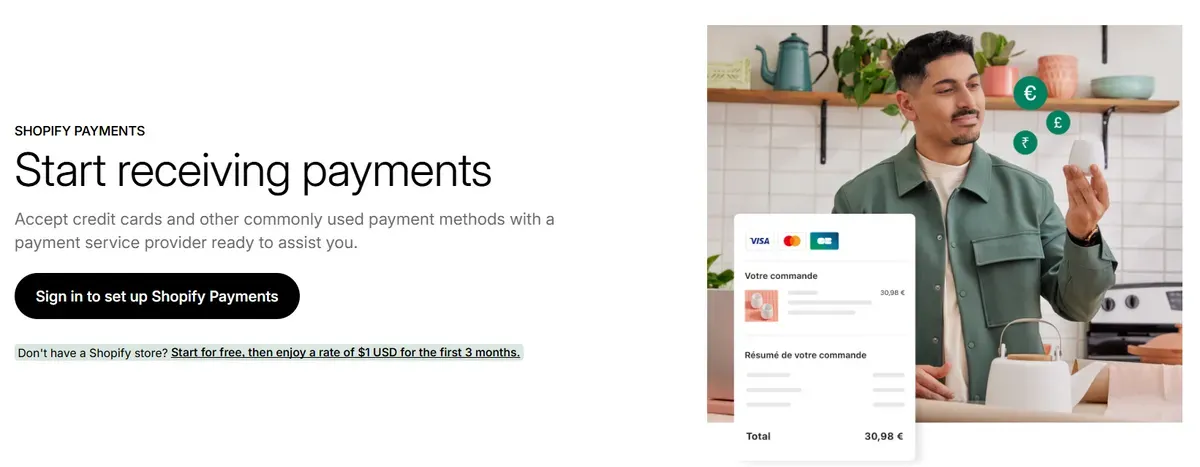
Processing most transactions through Shopify Payments gives Shopify a clearer view of sales performance and payment history. Stores that use Shopify Payments regularly have fewer blind spots in reporting, which may improve chances in a Shopify Capital eligibility review.
If Shopify Payments isn’t an option, make sure third-party gateways are reliable and provide consistent payout schedules. Smooth payment flow and fewer failed debits show financial stability to Shopify’s eligibility checks.
Optimize Inventory & Cash Flow Before Review
Managing inventory effectively ensures that products stay in stock and orders ship on time—both of which support sales consistency. Poor inventory planning can lead to missed sales and customer dissatisfaction.
Tips to optimize inventory and cash flow:
Forecast demand using past sales data.
Avoid overstock that ties up cash.
Align purchasing with peak seasons and promotions.
Healthy inventory levels and cash flow give Shopify more confidence in a store’s ability to generate consistent revenue and repay funding.
FAQs about Shopify Capital Eligibility Review
How do I know if my store is eligible?
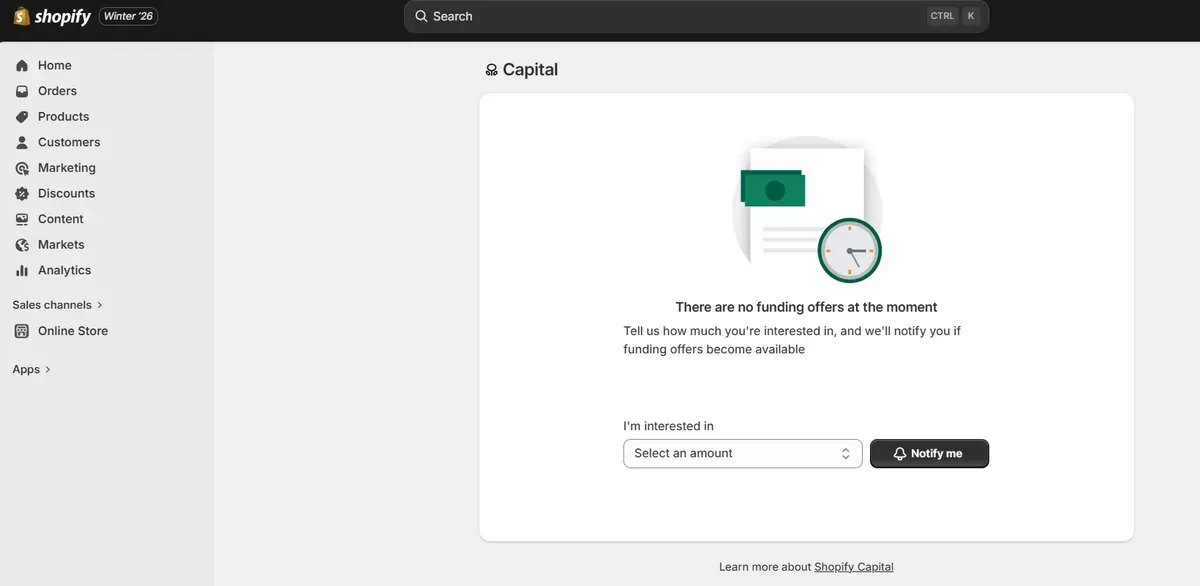
If a store qualifies for Shopify Capital, an offer will appear in the Finance page of the Shopify admin or be sent by email. Eligibility isn’t shown until Shopify’s system identifies that the store meets its internal criteria.
Can I apply for Shopify Capital eligibility myself?
There is no standalone application for eligibility. Shopify evaluates stores automatically. An offer to apply appears only after the system detects that the store meets certain performance and compliance benchmarks.
Does using Shopify Payments help my eligibility?
Yes, processing most sales through Shopify Payments gives Shopify clearer insight into sales and payment history, which can improve the chance of receiving an offer.
How often is my eligibility reviewed?
Eligibility is checked on an ongoing basis as the platform gathers up-to-date performance and account data. Shopify routinely reassesses stores and may update offers over time.
Can a low sales volume hurt my eligibility?
Yes, stores with limited sales history or inconsistent sales patterns are less likely to receive funding offers. Strong and steady sales performance is a key factor in eligibility.
Wrapping Up
Is your store undergoing a Shopify Capital eligibility review? It's necessary to understand how Shopify measures sales stability, compliance, risk signals, and payment history. This way, you can see where your store stands today. Small, steady improvements in operations and customer experience can strengthen your profile and open the door to future funding opportunities. Keep monitoring performance, reduce disputes, and maintain healthy cash flow to stay aligned with Shopify’s evaluation patterns. When the next Shopify Capital eligibility review cycle runs, your store could be in a stronger position to receive an offer that supports sustainable growth.

Hey! I'm Linda Bui. Join me as we explore tips and tutorials about Shopify apps and Shopify themes for your Shopify store.
Start Building Trust Today
Install the Product Reviews app to improve your store's credibility and boost sales with real customer reviews.
Get Started with Zero CostWhat to not miss out on our blog
Gain insightful knowledge and invaluable experiences from dedicated experts.
_1200x630.webp)
What Is Shopify Collabs? How It Works and How Brands Use It in 2026
Discover what is Shopify Collabs, how it automates affiliate tracking, and how to use it to scale influencer marketing from your dashboard. Read right now!
_1200x630.webp)
_1200x630.webp)
Newsletter
Get all the stories you need-to-know from the most powerful name in news delivered first thing every morning to your inbox