Shopify Advanced vs. Plus: A Side-by-side Review for 2026
Is choosing the right Shopify plan holding back business growth? Shopify Advanced vs Plus is a common comparison for fast-scaling brands that need stronger performance, automation, and control. While both plans support high-volume sales, their pricing, features, and flexibility differ in key ways. This side-by-side review breaks down costs, tools, and use cases to clarify which solution aligns better with long-term ecommerce goals. Discover the differences and make a confident decision today.
What Is Shopify Advanced?
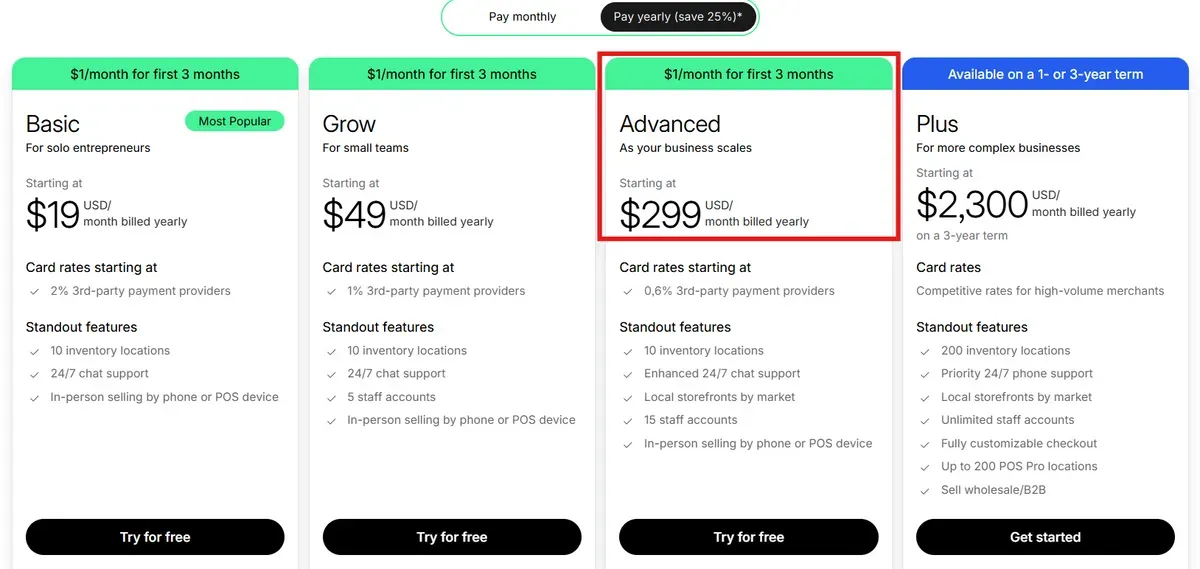
Shopify Advanced is a high-tier ecommerce plan for online stores that need stronger tools than the standard Shopify plans offer. It sits just below the enterprise-level Plus plan and gives fast-growing businesses more control, better analytics, and lower transaction fees.
This plan includes core features plus advanced functions designed for scaling operations. It supports more team members and deeper insights into sales performance.
Key highlights of the Shopify Advanced plan include:
Up to 15 staff accounts for team access.
Carrier-calculated shipping rates at checkout.
Custom reporting tools for sales, products, and customer data.
Lower transaction fees compared with lower tiers.
What Is Shopify Plus?
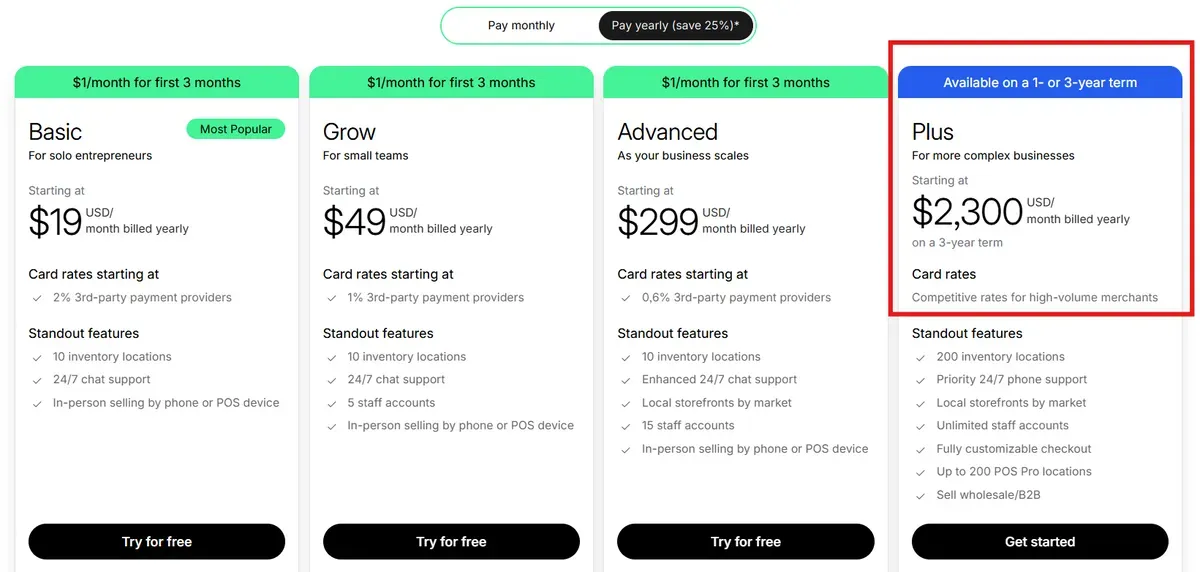
Shopify Plus is the enterprise-level ecommerce plan built for high-growth brands and global operations. This plan goes beyond standard Shopify tiers with advanced tools, deep customisation, and robust performance that support complex business needs. Shopify Plus is ideal for merchants with high sales volume and multiple selling channels.
Unlike lower plans, Shopify Plus includes features that help scale big online stores and B2B operations with precision and control. It combines powerful commerce tools into one central platform, from headless APIs to omnichannel selling solutions.
Key features of Shopify Plus include:
Unlimited staff accounts and expansion stores for global reach.
Advanced APIs and custom integrations for deep system connections.
Custom checkout and automation tools for tailored customer paths.
Built-in B2B tools and wholesale support to manage bigger orders.
Shopify Advanced vs Plus: Detailed Comparison
Shopify Plus vs Advanced serve different merchant needs. The following Shopify Advanced vs Plus comparison breaks down how each plan stacks up across key areas:
#1. Pricing & Transaction Fees
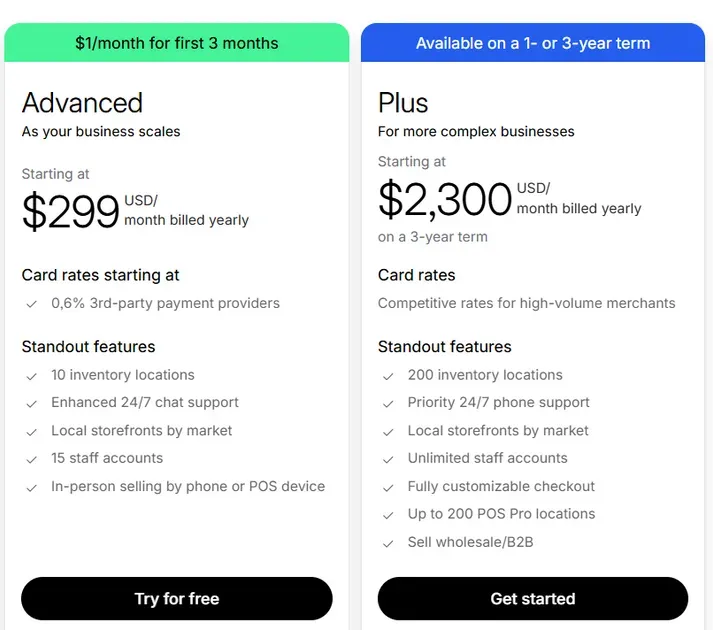
Shopify pricing varies widely between Shopify Advanced vs Plus, especially in subscription and transaction costs. Here’s how both plans look:
Shopify Advanced
| Cost Type | Amount |
|---|---|
| Monthly Price | $399 (or $299 billed annually) |
| Shopify Payments Credit Card Fee | ~2.4% + 30¢ |
| Third-Party Transaction Fee | ~0.5% |
| Staff Accounts | Up to 15 |
This plan keeps a predictable monthly price and fixed transaction fees that remain the same regardless of sales volume. It fits stores that need strong e-commerce features but not enterprise pricing complexity.
Shopify Plus
| Cost Type | Amount |
|---|---|
| Base Monthly Price | Starts at ~$2,300+ |
| Shopify Payments Credit Card Fee | Negotiable (often lower than Advanced) |
| Third-Party Transaction Fee | ~0.2% (negotiable) |
| Staff Accounts | Unlimited |
Shopify Plus starts much higher in price. Many merchants negotiate based on their size and volume. The platform fee may vary with revenue or term length. Shopify Payments can reduce or waive some fees, depending on location.
Final verdict:
In this Shopify Advanced vs Plus comparison, Shopify Advanced has a predictable subscription cost that fits scaling brands. The Advanced plan’s transaction fees are higher but still competitive for growing stores. Shopify Plus shifts the focus toward enterprise merchants with negotiable rates and lower transaction percentages to benefit high sales volume. This “Shopify Advanced vs Plus” pricing gap often shrinks for stores with large sales because the reduced fees on Plus can offset the larger monthly charge.
#2. Staff Accounts & Team Collaboration
Shopify Advanced
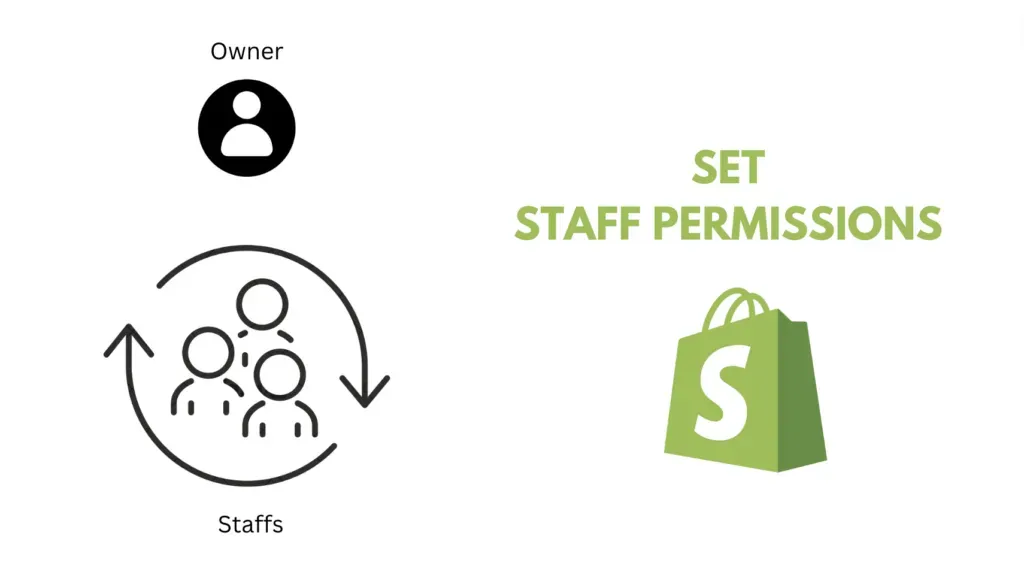
Shopify Advanced allows up to 15 staff accounts, which supports larger teams compared with the lower Shopify tiers. This limit fits growing brands that need multiple roles like marketing, fulfillment, and customer support. For mid-market brands, this access level often meets operational needs without extra costs.
Collaboration tools include standard account permissions and reporting dashboards. These tools help teams coordinate sales data and order management. However, Advanced does not scale team access beyond 15 accounts, which can become a constraint for fast-growing operations.
Shopify Plus
Shopify Plus offers unlimited staff accounts, giving enterprise teams full access without account limits. This is a major advantage of Shopify Advanced vs Plus for large teams and multinational businesses with many departments.
Unlimited access ensures that designers, developers, and managers can work in parallel. Plus also supports multiple expansion storefronts managed from one dashboard, helping global teams operate together efficiently.
Final verdict:
In the Shopify Advanced vs Plus debate, for teams needing more than 15 users and broad internal collaboration, Plus is the stronger choice. Advanced serves small to mid-size organizations well, but hits limits sooner than Plus.
#3. Checkout Customization & Extensibility
Shopify Advanced
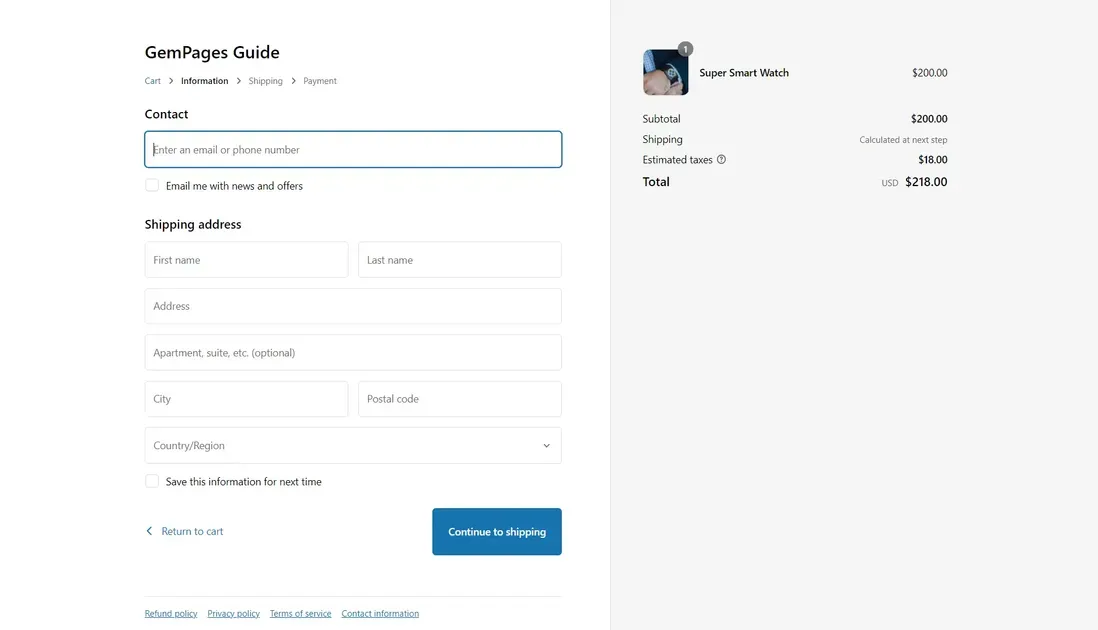
The checkout experience on Shopify Advanced remains close to the default Shopify checkout flow. Customization options are limited to what Shopify’s standard settings and third-party apps allow.
Advanced does include tools like carrier-calculated shipping and improved reporting. However, full control over the checkout experience, such as custom scripts, unique upsell placements, or deep API extensions, is restricted.
Shopify Plus
Shopify Advanced vs Plus, Plus unlocks full checkout customization using Shopify Functions, Scripts, and extensible APIs. This means brands can tailor every step of the checkout process. Custom checkout flows help increase conversion, reduce abandoned carts, and integrate specialized business logic.
Beyond checkout, Plus also boosts extensibility with higher API rate limits, access to Launchpad automation, and advanced workflows that handle complex campaigns better than Advanced alone. These capabilities let technical teams build bespoke solutions rather than rely on generic apps.
Final verdict:
In the Shopify Advanced vs Plus matchup, Plus stands out for its extensibility. Brands that need custom ecommerce logic or run complex automation will find Plus far more flexible and future-ready.
#4. Reporting, Analytics & API Access
Shopify Advanced
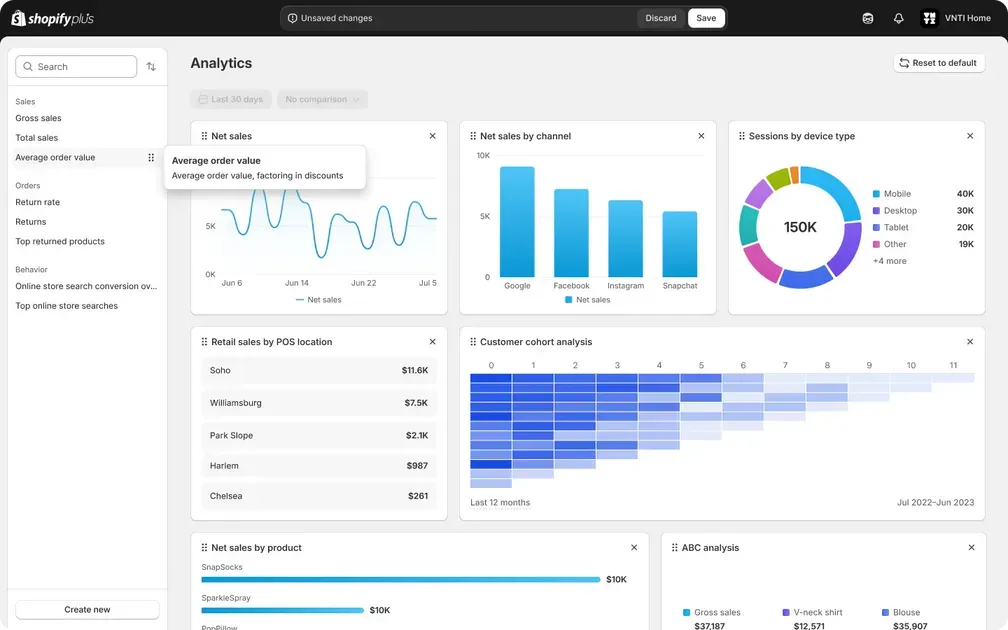
Shopify Advanced includes robust reporting tools that go beyond basic dashboards. It gives access to custom reports and analytics to help track sales, customer trends, and product performance. These insights help brands adjust strategy and identify growth opportunities. The plan also provides standard API access for integration with external tools and systems.
Reporting on Advanced is strong for most scaling e-commerce stores. It produces deep analyses but stays within Shopify’s typical limits for API calls and data flexibility. Teams can use these reports in planning marketing, inventory, and financial moves.
Shopify Plus
Shopify Plus adds an extra layer of reporting power for multi-store and enterprise commerce. It includes built-in analytics with custom dashboards and extended data export options across all expansion stores. This capability helps measure performance across regions and channels with nuance.
Plus also supports advanced API resources and higher rate limits. These tools allow deeper custom integrations with ERPs, CRMs, or bespoke apps that handle complex workflows and data breakdowns, far beyond standard API limits.
Final verdict:
Within this Shopify Advanced vs Plus breakdown, for deep analytics and regular reporting, Shopify Advanced meets most merchants’ needs. Shopify Plus stands out for brands operating multiple stores or requiring enterprise-level API access and custom data flows.
#5. International Expansion
Shopify Advanced
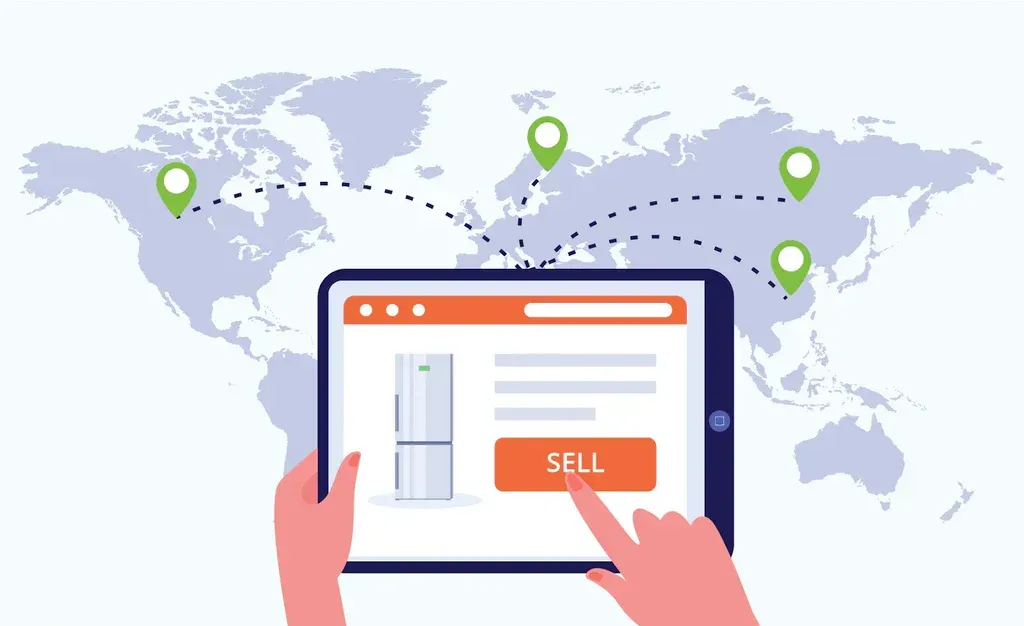
Shopify Advanced supports global selling with Shopify Markets. It lets merchants sell in multiple currencies and offer localized content. Some international features, like duties and import tax estimation, help brands reduce hidden costs for cross-border shoppers.
Advanced plan users can manage prices and settings by region, which strengthens a brand’s global appeal. Smaller international operations or regional tests can be managed well with these tools.
Shopify Plus
Shopify Plus takes international expansion further. It enables multi-store setups under one account, known as expansion stores, each targeting a different region or audience. This structure allows highly localized pricing, language, product mixes, and shipping options.
Plus also includes broader multi-currency support and advanced market tools that automate many global tasks. It helps streamline taxes, shipping logistics, and customer checkout experiences across borders.
Final verdict:
Throughout this Shopify Advanced vs Plus comparison, for basic global selling, Advanced supports essential multi-currency and tax features. For ambitious international scaling with multiple storefronts and region-specific customization, Shopify Plus clearly leads.
#6. Support
Shopify Advanced
Shopify Advanced offers 24/7 enhanced chat support for real-time help with store issues. This support form is reliable and available around the clock for merchants tackling technical questions or urgent problems.
This level of support suits many midsize businesses and provides confidence for routine operations. There is no guaranteed phone priority or dedicated account manager in this tier.
Shopify Plus
Shopify Plus includes priority 24/7 support with both phone and chat options. Merchants get faster responses and elevated troubleshooting channels when problems arise.
Plus also offers advanced technical support, including guidance from Shopify Plus Partners and access to curated apps designed for enterprise needs. Some merchants may also receive a dedicated launch or success engineer to guide setup and custom phases.
Final verdict:
In this detailed look at Shopify Advanced vs Plus, Advanced support is strong for most day-to-day needs. Shopify Plus elevates support with priority access and deeper technical resources, which can make a big difference during high-traffic events or complex integrations.
Shopify Advanced vs Plus: Pros and Cons
Shopify Advanced
Pros:
Lower monthly cost: More affordable than Plus for mid-sized businesses.
Advanced reporting tools: Strong analytics help track performance and trends.
Carrier-calculated shipping rates: Offers real-time shipping quotes at checkout.
Supports up to 15 staff accounts: Helps teams manage key store functions.
International selling tools included: Offers multi-currency and duties or taxes control options.
Cons:
Limited checkout customization: No full access to checkout scripts or deep modification tools.
No dedicated account manager: Standard support only.
Automation tools are basic: Lacks the powerful workflow automation found in Plus.
Staff limit may constrain large teams: 15 accounts may cap collaboration.
Shopify Plus
Pros:
Unlimited staff accounts: Removes user limits for large organizations.
Advanced automation tools: Includes Flow, Scripts, and Launchpad.
Multi-store support: Allows up to 10 expansion stores from one admin.
Wholesale and B2B features built-in: Dedicated channels for larger business models.
Dedicated priority support: Faster help and strategic guidance.
Cons:
High cost: Enterprise pricing can be prohibitive for many brands.
Complex setup: Some advanced features require technical expertise.
Over-engineered for smaller stores: Plus features may be too powerful if not needed.
May require developer resources: Custom scripts and APIs often need specialists.
Key Factors to Consider Before Choosing Shopify Advanced vs Plus
Choosing between Shopify Advanced vs Plus depends on scale, complexity, and long-term goals:
Revenue and Sales Volume: Higher sales often justify Plus due to lower transaction fees and negotiable payment processing rates. If sales are moderate, Advanced keeps costs predictable.
Budget and Cost Structure: Advanced has a fixed monthly fee. Plus costs more upfront but can reduce total costs over time through fee savings.
Checkout Customization Needs: Full checkout control with Shopify Scripts and checkout extensibility is exclusive to Plus. If checkout flow matters, Plus is stronger.
Number of Stores: Plus supports multiple stores from one dashboard. Advanced is limited to a single storefront.
Support Level: Plus offers dedicated support and often a success manager. Advanced includes standard Shopify support.
Automation and Features: Plus includes tools like Launchpad and higher API limits. Advanced has Flow automation but may need third-party apps for complex workflows.
International and B2B Selling: Plus excels with multi-currency, multi-market setups, and built-in wholesale channels. Advanced may require apps and workarounds.
Who Should Choose Shopify Advanced?
Shopify Advanced fits brands that have grown past the middle stage and need stronger tools without enterprise costs. It delivers advanced reports, calculated rates at checkout, and up to 15 staff accounts, all at a predictable monthly price. This plan works for stores with steady sales and a clear growth path.
Overall, Shopify Advanced is the best fit for:
Growing mid-sized eCommerce stores
Businesses with rising order volume
Teams needing more staff access
Stores selling internationally
Shops that want better reporting
Who Should Choose Shopify Plus?
Shopify Plus is designed for large, fast-growing online brands that need enterprise-grade tools and performance. This plan suits sellers who push heavy traffic, run global campaigns, or manage complex operations with multiple product lines and customer segments. Its stability, automation, and customization go well beyond standard Shopify tiers.
Ideal candidates for Shopify Plus include:
High-volume sellers
Enterprise and global brands
B2B and wholesale operations
Complex checkout or automation needs
Large teams and integrations
FAQs
What’s the main difference between Shopify Advanced and Shopify Plus?
The main difference is scale and customization. Shopify Plus adds full checkout control, multiple expansion stores, advanced automation, and higher API limits for large, complex operations.
Can I run multiple stores on Advanced?
No. Shopify Advanced supports only one store per subscription, and extra storefronts require separate plans. Plus lets you manage up to around 10 stores from one account.
Which plan has better API support?
Shopify Plus has stronger API support with much higher rate limits and enterprise-level integration capabilities for complex systems. Advanced provides standard API access that fits most mid-tier needs.
When should a store upgrade from Advanced to Plus?
Upgrade when revenue consistently grows, API limits are hit, or multiple stores, deep automation, and enterprise features are needed to support operations at scale.
Final Thoughts
Choosing between Shopify Advanced vs Plus comes down to business scale, team size, and growth ambitions. Advanced suits mid-sized stores that need strong reporting, calculated shipping rates, and predictable costs. On the other hand, Shopify Plus empowers enterprise brands with unlimited staff, full checkout customization, multi-store management, and advanced automation. You should assess current operations, future expansion, and technical needs to make the most informed decision.

Hey! I'm Linda Bui. Join me as we explore tips and tutorials about Shopify apps and Shopify themes for your Shopify store.
Start Building Trust Today
Install the Product Reviews app to improve your store's credibility and boost sales with real customer reviews.
Get Started with Zero CostWhat to not miss out on our blog
Gain insightful knowledge and invaluable experiences from dedicated experts.
_1200x630.webp)
What Is Shopify Collabs? How It Works and How Brands Use It in 2026
Discover what is Shopify Collabs, how it automates affiliate tracking, and how to use it to scale influencer marketing from your dashboard. Read right now!
_1200x630.webp)
_1200x630.webp)
Newsletter
Get all the stories you need-to-know from the most powerful name in news delivered first thing every morning to your inbox