Shopify vs. Amazon: Which platform works better in 2026?
- Overview of Shopify
- Overview of Amazon
- Shopify vs Amazon: Side-by-Side Comparison
- Key Use Cases: When to Choose Each Platform
- Can Sellers Combine Shopify and Amazon?
- Real-World Examples: Shopify and Amazon in Action
- The Future of Shopify and Amazon
- Which Platform Should You Choose?
- FAQs about Shopify vs Amazon
- Wrapping Up
Sell products online, but unsure which platform truly fits long-term growth? Shopify vs Amazon remains one of the most debated choices for modern e-commerce brands. One offers full control and branding power, while the other delivers instant traffic and massive reach. Each platform works very differently in fees, ownership, and scalability. Understanding these differences is essential before making a decision that impacts revenue and independence. Let's explore the full comparison and find the smarter platform choice today.
Overview of Shopify
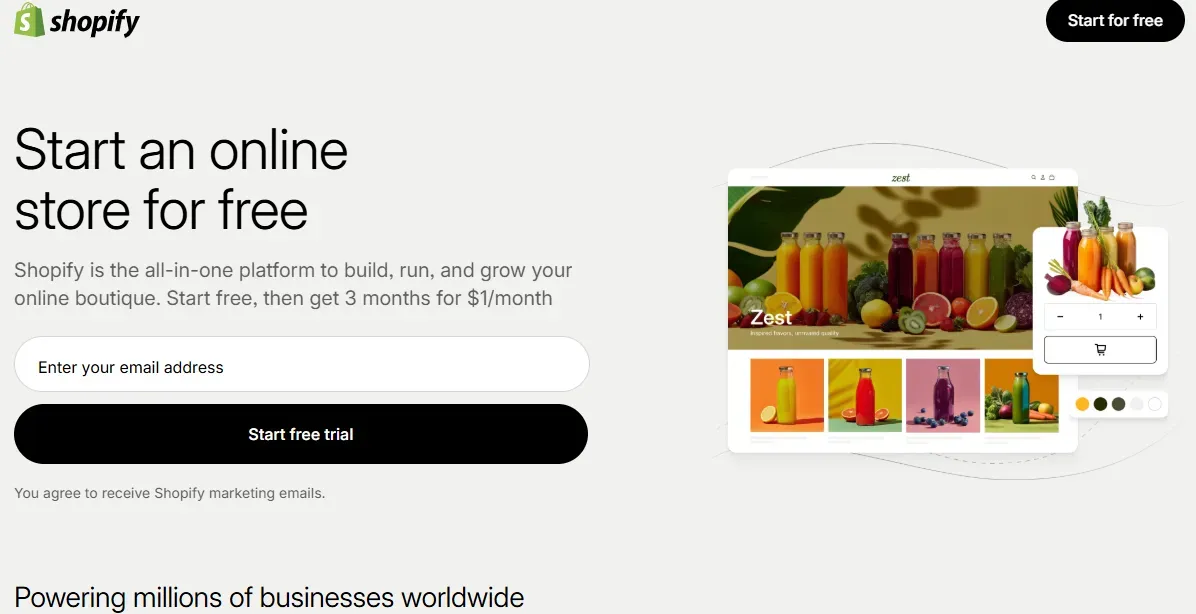
Shopify is a leading e-commerce platform that helps businesses build and run online stores with ease. It gives merchants a complete system to add products, manage orders, and sell across multiple channels. Shopify also supports point-of-sale and mobile selling, making it a flexible choice for modern brands.
Shopify stands out for how simple it is to use and how quickly a store can go live. It includes hosting, security, and site updates right out of the box. This means less tech work and more focus on selling.
Key Shopify features include:
Intuitive dashboard for store setup and daily tasks.
Built-in tools for SEO, marketing, and analytics.
App marketplace with thousands of extensions to add functions.
Overview of Amazon

Amazon is the world’s largest online marketplace, connecting millions of buyers with sellers across the globe. It hosts a massive customer base and processes billions of visits each month, making it a high-traffic selling destination for many brands. Amazon’s scale gives products exceptional visibility and reach compared with most other e-commerce sites.
The platform uses Amazon Seller Central, a unified dashboard where merchants can upload products, set prices, and track orders in real time. It also offers robust tools for inventory control, performance analytics, and promotion management. Sellers can choose to use Fulfillment by Amazon (FBA) to handle storage, shipping, and customer service.
Key Amazon features include:
Multi-million customer audience and Prime member access.
Centralized product listing and order management tools.
Options for FBA and self-fulfillment (FBM).
Shopify vs Amazon: Side-by-Side Comparison
What's the main difference between Amazon and Shopify? Let's take a closer look at the side-by-side comparison below:
| Category | Shopify | Amazon | Final Verdict |
|---|---|---|---|
| Pricing & Fees | Monthly plans ($5–$2,300+). No listing fees. Predictable costs. | Per-item or monthly fee plus 8–15% referral fees. Extra FBA costs. | Shopify offers clearer cost planning. |
| eCommerce Features | Full store control. Inventory, customers, and multichannel tools. | Marketplace-focused tools. Strong for fast sales. | Shopify for control. Amazon for traffic. |
| Ease of Use | Guided setup. Clean dashboard. Easy to manage and scale. | Fast start, but complex rules and policies. | Shopify is easier long-term. |
| Design | Full theme and layout control. Strong branding options. | Fixed product page layout. Limited customization. | Shopify wins clearly. |
| Marketing & SEO | Full SEO access. Blogs, email, ads, and data ownership. | Internal ads and search only. Limited SEO control. | Shopify offers stronger marketing freedom. |
| Shipping & Fulfillment | Flexible 3PL options. Brand-focused shipping control. | FBA handles everything at Prime speed. | Amazon leads in automation. |
| Brand Visibility | Full brand ownership and customer relationship. | Massive traffic but brand dilution risk. | Shopify for brand building. |
| Support | 24/7 chat, phone, email, and help docs. | Ticket-based and policy-driven support. | Shopify offers better seller support. |
| Scalability | Flexible growth with apps and global selling tools. | Built for volume and rapid expansion. | Amazon scales faster. Shopify scales smarter. |
#1. Pricing & Fee Structure
Shopify
| Plan | Monthly Fee | Transaction/Processing Fees |
|---|---|---|
| Starter | $5 | ~5% + 30¢* |
| Basic | Starting at $25 | 2.9% + 30¢ online; 2.6% + 10¢ in-person |
| Shopify | Starting at $65 | 2.7% + 30¢ online; 2.5% + 10¢ in-person |
| Advanced | Starting at $399 | 2.5% + 30¢ online; 2.4% + 10¢ in-person |
| Shopify Plus | Starting at $2,300+ | Enterprise-level plan |
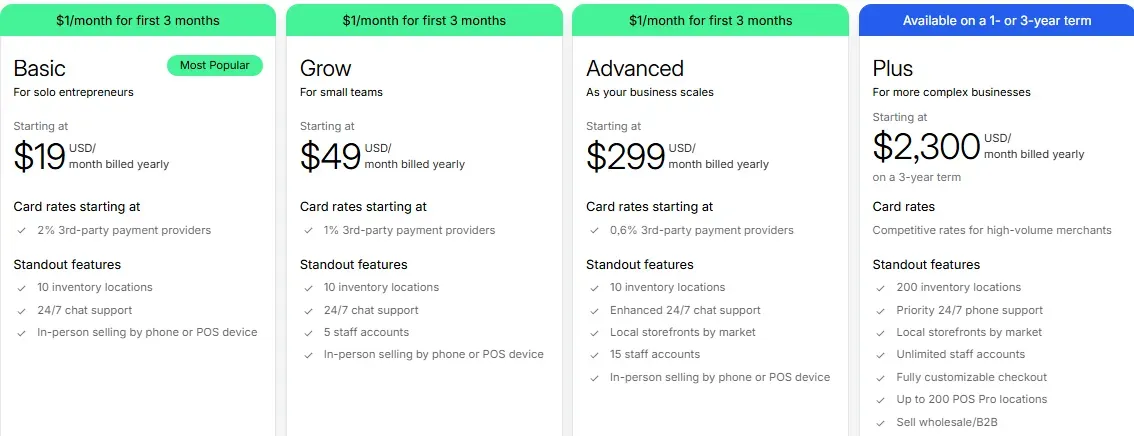
Pricing and fees impact profit and cash flow when comparing Shopify vs Amazon. Shopify uses a simple subscription model that lets sellers plan costs easily. Monthly plans start around $5–$2,300 and include an online store with no extra listing fees. Sellers may also pay payment processing fees or app costs.
Amazon
Plan
Monthly/Per Sale Fee
Referral Fees
Individual
$0.99 per item
~8–15% of sale
Professional
$39.99 monthly
~8–15% of sale
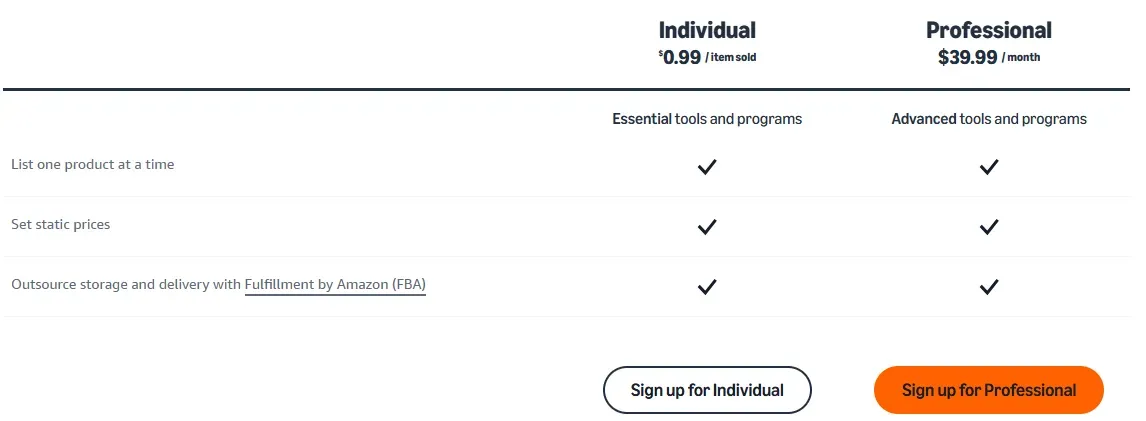
Amazon’s fees vary by plan and volume. An Individual plan charges about $0.99 per item sold, while a Professional plan runs around $39.99 per month. On top of that, Amazon takes a referral fee (often around 8–15%) and charges additional fulfillment and storage fees when using FBA.
Final verdict: Shopify offers predictable subscription tiers but adds payment costs. Amazon’s fees depend on sales volume and product type. For stores with stable revenue, Shopify can be more predictable.
#2. e-Commerce Features
Shopify
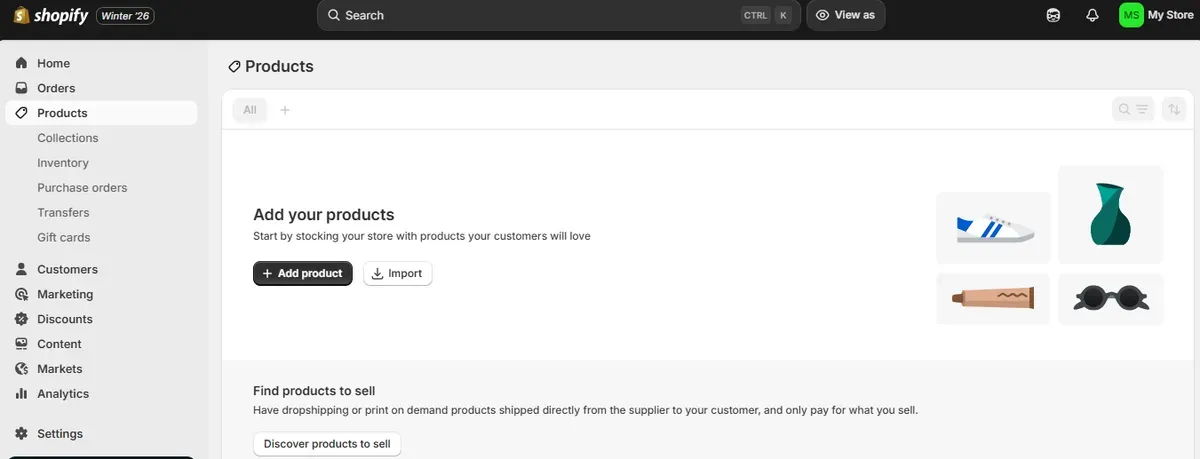
Shopify vs Amazon in terms of e-commerce features? Shopify offers a full e-commerce suite built for independent stores. Merchants get tools to manage products, inventory, orders, and customer data in one system. Shopify also supports multichannel selling, meaning products can list on social media, marketplaces, and in person.
Amazon
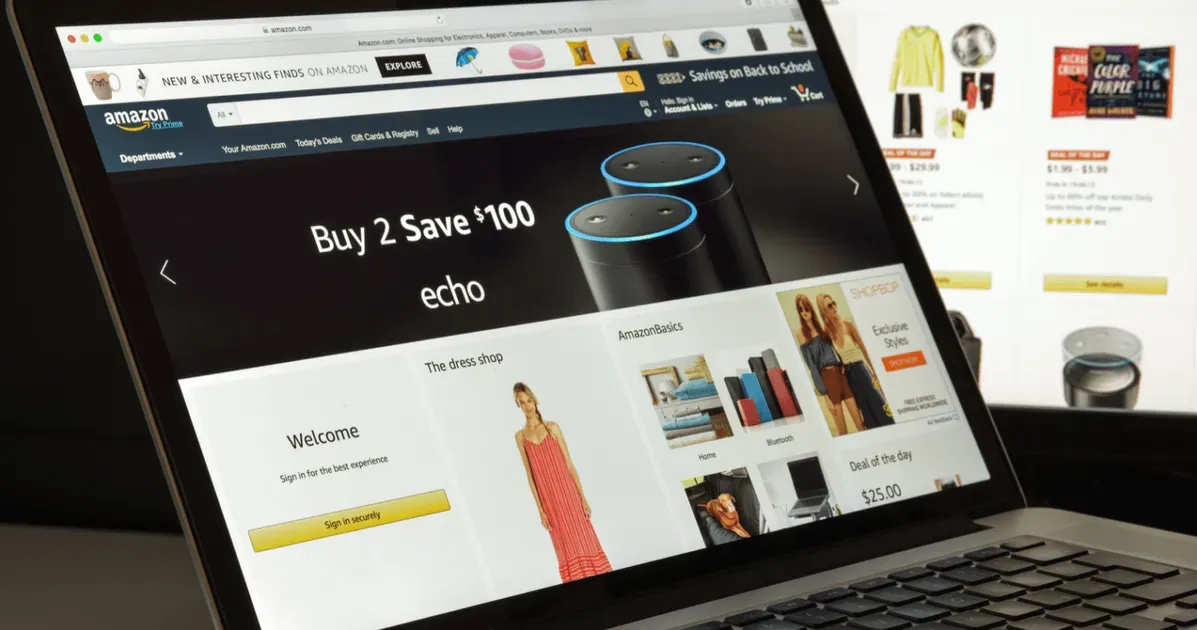
Amazon’s core strength is its massive built-in audience. It gives sellers instant access to millions of customers. However, its tools focus on marketplace sales rather than running a branded store experience. Advertising options like Sponsored Products help visibility but add cost.
Final verdict: Shopify wins for e-commerce features and store control. Amazon wins for built-in traffic and marketplace reach.
#3. Ease of Use
Shopify
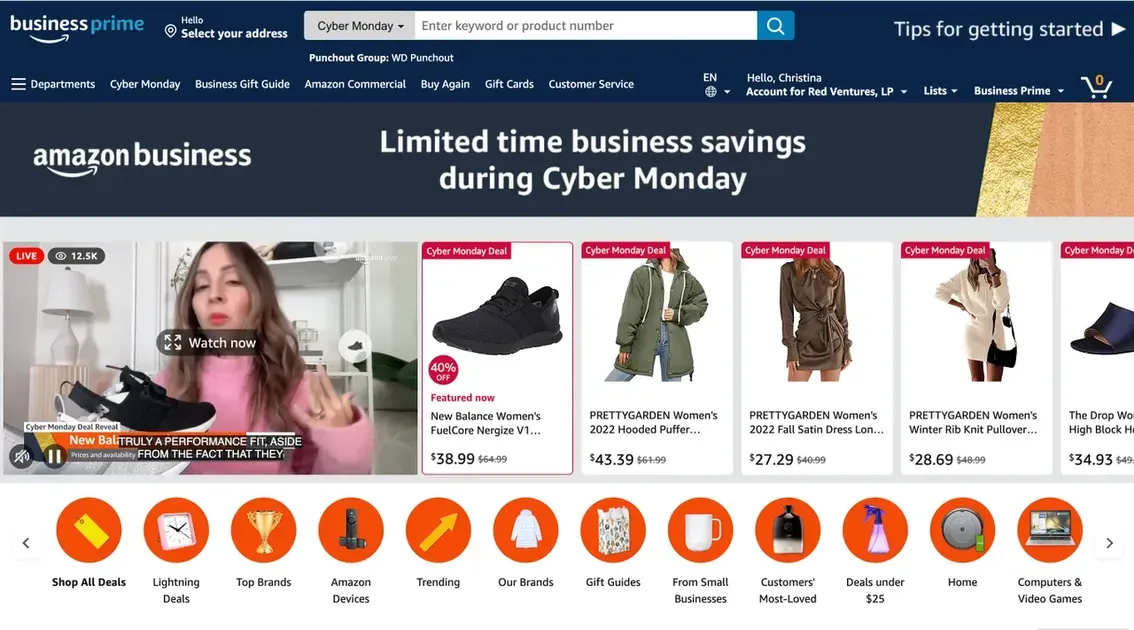
Shopify offers a guided setup with drag-and-drop tools. Merchants can launch a store with minimal tech skills and manage orders from a clear dashboard. Many sellers praise its user-friendly interface and scalability.
Amazon
Amazon’s setup is simple in a different way. Product listings can be created quickly, and sales begin almost immediately thanks to built-in traffic. The learning curve kicks in with optimization and policy compliance, which some find complex.
Final verdict: Shopify wins for overall ease of use and store ownership. Amazon shines in starting fast, but requires time to master its systems.
#4. Design
Shopify
Shopify gives stores full design control with a wide range of themes and personalization options. Colors, layouts, fonts, and checkout pages can all be tailored to match brand identity.
Amazon
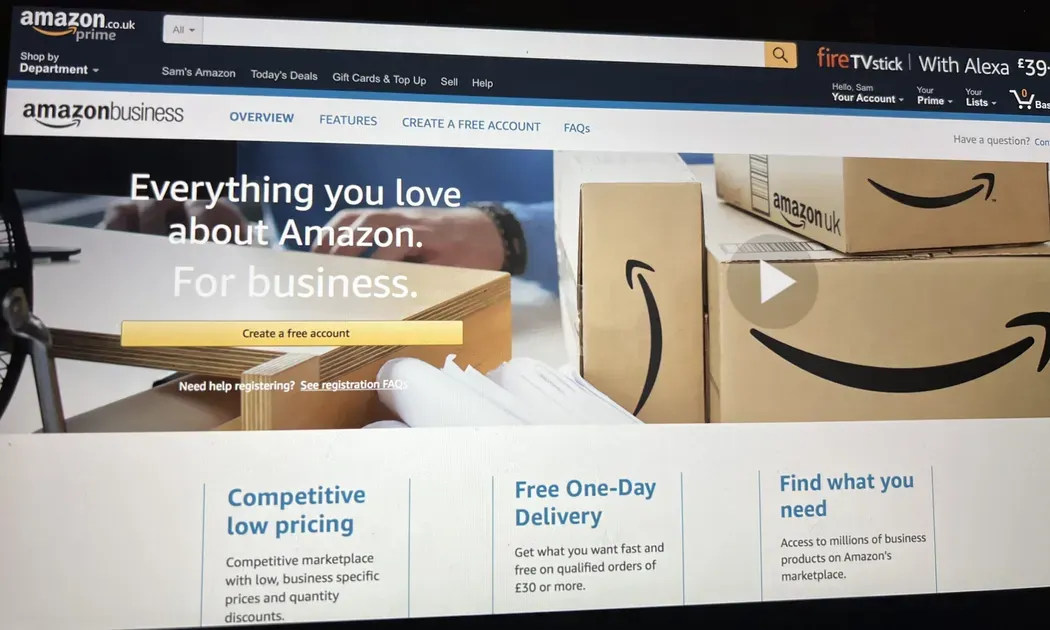
Amazon limits design to product images, titles, and basic descriptions. Product pages follow a strict template that keeps branding minimal. Even Amazon Brand Registry storefronts have tight constraints compared with Shopify’s full website design freedom.
Final verdict: Shopify wins by a wide margin in design and brand presentation. Amazon offers little design control beyond listing elements.
#5. Marketing & SEO
Shopify
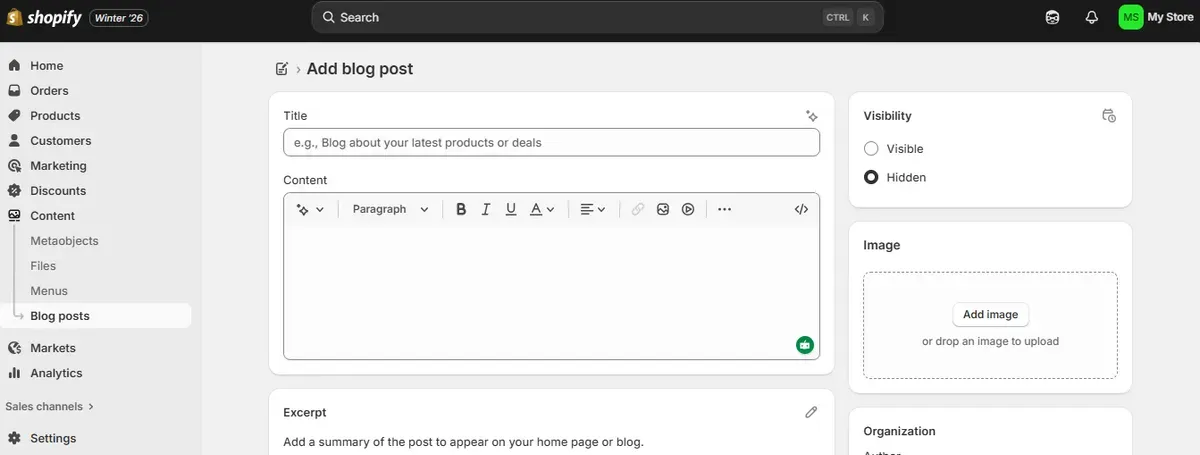
Another difference between Shopify and Amazon is the marketing and SEO tools. Shopify stores give full access to SEO tools, blog content, meta tags, site speed optimization, and integrations with Google and social campaigns. These tools support long-term organic growth and external traffic strategies.
Amazon
Amazon marketing tools center on internal search algorithms and paid ads like Sponsored Products. While Amazon’s system helps products get visibility on its marketplace, SEO customization outside Amazon is limited, and seller access to customer data is restricted.
Final verdict: Shopify wins for SEO and marketing flexibility. Amazon’s marketing framework helps visibility inside the platform, but options are narrower for building an owned audience.
#6. Shipping & Fulfillment
Shopify
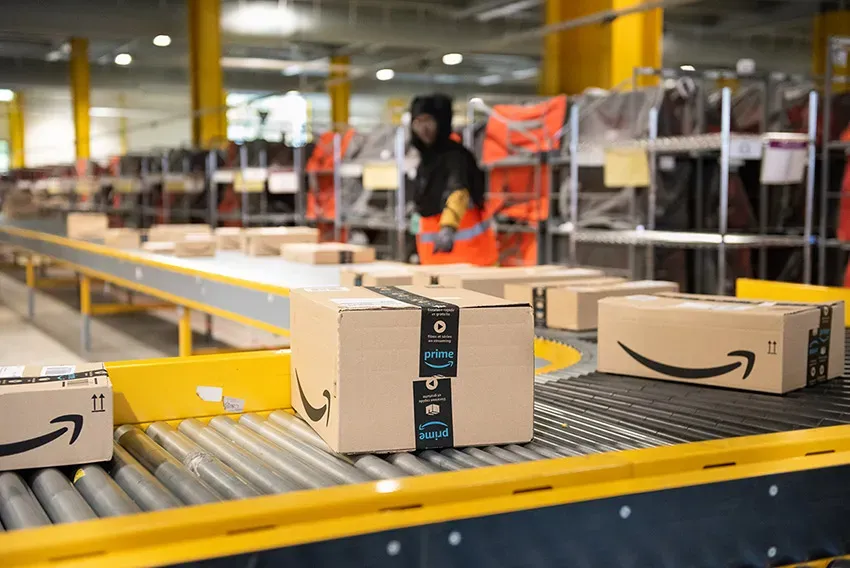
Shipping and order fulfillment vary widely between Shopify vs Amazon. Shopify does not run a global fulfillment system on its own, but merchants can use Shopify Fulfillment Network or choose from many third-party logistics partners. This gives complete control over packaging, shipping partners, and costs. Shopify also offers carrier shipping discounts directly on the platform.
Amazon
Amazon offers Fulfillment by Amazon (FBA), arguably the most efficient fulfillment system in e-commerce. FBA stores, picks, packs, ships, and handles returns and customer service on behalf of sellers. Fast Prime delivery is a huge advantage for buyer satisfaction and conversion. However, FBA can be costly, and fees add up based on size, weight, and storage time.
Final verdict: Amazon leads in automation and speed. Shopify offers flexibility and brand-focused fulfillment options.
#7. Brand Visibility
Shopify
Brand visibility defines long-term growth and customer loyalty. Shopify empowers merchants to build a distinct brand and control every customer touchpoint from logo to checkout. This deep brand experience helps long-term recognition and repeat buyers. SEO, content marketing, and email campaigns all contribute to brand growth on Shopify.
Amazon
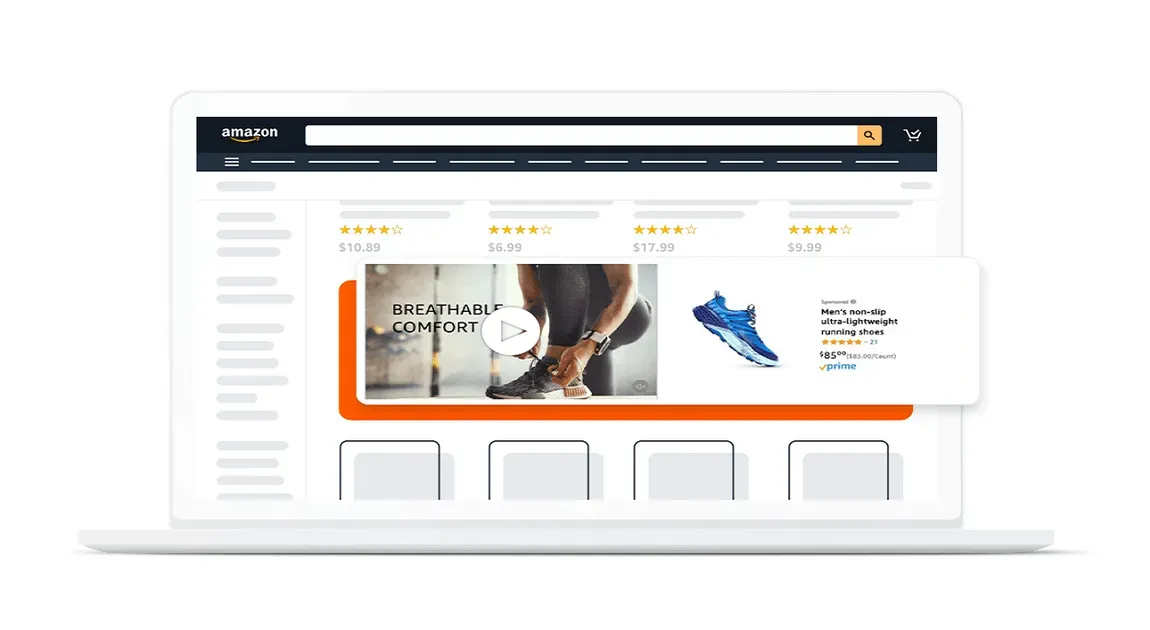
Amazon attracts a massive built-in audience with millions of monthly visitors. Its marketplace search and recommendation engine can drive immediate views and sales without upfront marketing. Still, Amazon’s marketplace focuses on products more than unique brand identity, and listings often appear alongside competitors, including Amazon itself.
Final verdict: Shopify wins for brand control and recognition. Amazon wins for traffic and instant visibility.
#8. Support
Shopify
Support quality affects how smoothly selling operations run and how fast problems get resolved. Shopify provides 24/7 support via chat, email, and phone. It also offers extensive help docs, tutorials, and community forums that many merchants find easy to access and use.
Amazon
Amazon’s support for sellers is functional but less personalized. Support tends to be ticket-based with callbacks and help docs that can be harder to navigate. Many sellers report slower responses and frustration with policy enforcement.
Final verdict: In this Shopify vs Amazon round, Shopify’s support system is generally more responsive and accessible for merchants.
#9. Scalability and Growth Potential

Shopify
Scalability depends on how easily a business can grow in size, reach, and revenue. Shopify provides robust tools to scale with a business. It supports advanced analytics, app integrations, multi-channel selling, and international expansion with multi-currency domains. This flexibility helps brands tailor growth strategies.
Amazon
Amazon’s platform is built for scale. The marketplace infrastructure handles high-volume demand without additional tech investment. Sellers can reach global customers instantly and scale sales rapidly using FBA and Amazon advertising tools. However, competition on Amazon is fierce, and many merchants may struggle to maintain profit margins at scale.
Final verdict: Amazon offers unmatched infrastructure for rapid reach and volume. Shopify offers strategic growth options that support diverse long-term plans.
Key Use Cases: When to Choose Each Platform
When should you use Shopify vs Amazon? Shopify is best for brands that want full control over their online store and customer experience. It gives complete control over design, marketing, and brand identity, which supports long-term audience building and repeat buyers. This makes it ideal for businesses focused on brand growth and customer loyalty.
Amazon is ideal for sellers who want fast access to a huge audience with built-in traffic and buying intent. It excels at helping products get in front of millions of buyers quickly and simplifies fulfillment with FBA programs. This option works well for sellers who prioritize volume and speed of sales over long-term brand ownership.
Can Sellers Combine Shopify and Amazon?
Yes, sellers can use Shopify vs Amazon together to expand reach and streamline operations. Many brands run their own Shopify store while also selling on Amazon’s marketplace to capture more customers and sales channels. This approach helps diversify revenue without relying on one platform alone.
Integration between Shopify vs Amazon is possible through tools like Amazon Multi-Channel Fulfillment (MCF) or third-party apps that sync inventory, orders, and listings. Shopify supports apps that automate inventory updates and order handling across both Shopify vs Amazon, saving time and reducing manual work.
Real-World Examples: Shopify and Amazon in Action
Below are four examples that highlight how real businesses use Shopify vs Amazon to grow sales, boost visibility, and scale operations in the real world:
Allbirds

Allbirds built its e-commerce business on Shopify’s platform and used sustainability as a key differentiator. The brand generated approximately $305 million in annual revenue, driven by its eco-friendly footwear and direct-to-consumer focus online. This strong performance highlights Shopify’s ability to scale brand-led stores and support high-volume transactions.
Fenty Beauty

Fenty Beauty achieved remarkable success after its launch by Rihanna. In its first 15 months, the brand reached about €500 million (roughly $573 million) in sales, disrupting the beauty industry with inclusive foundation shades and strong demand. This rapid revenue boom shows how marketplace presence and brand buzz can drive huge early-stage growth.
Zappos
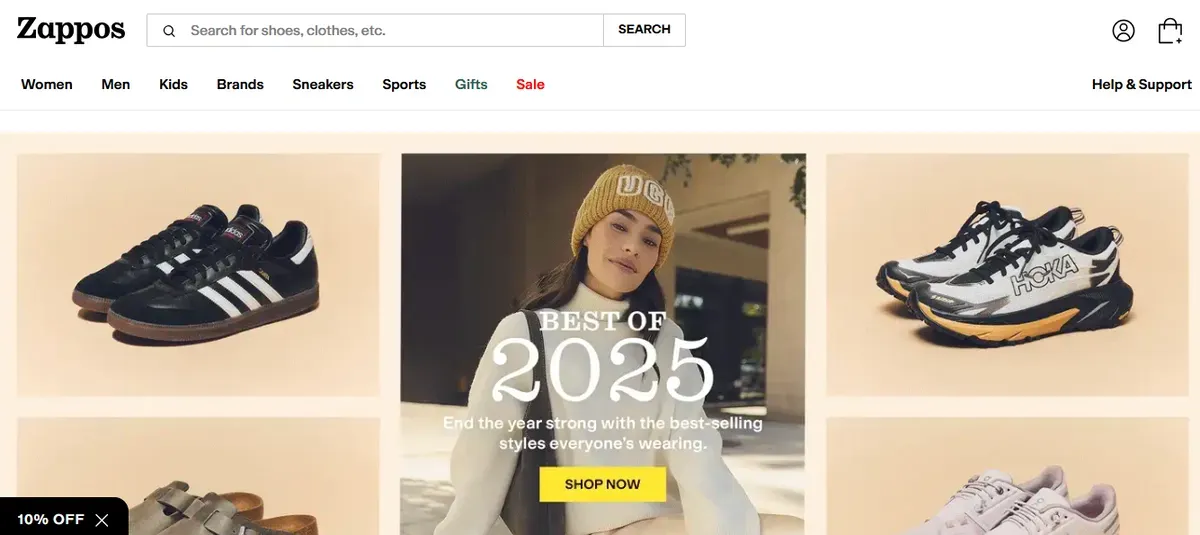
Zappos is a long-standing Amazon-owned e-commerce leader. In 2024, its online store generated about $946 million in revenue, proving strong, sustained performance in footwear and apparel sales. Zappos’s growth underscores Amazon’s ability to support large-scale retail operations.
Bossy Cosmetics

Bossy Cosmetics is a smaller, mission-driven beauty brand that leveraged Amazon’s reach and partnerships to scale. The company achieved around $2 million in gross sales in 2022, a sevenfold increase from the prior year, driven by expanded distribution and product growth. This showcases how Amazon channels can accelerate visibility for emerging brands.
The Future of Shopify and Amazon
The e-commerce world will keep evolving fast through 2026 as online sales grow toward $6.88 trillion globally and digital shopping becomes more central to retail strategy. Mobile buying, omnichannel commerce, and faster delivery expectations will shape how brands sell and compete.
Shopify is moving forward with AI-driven tools, automation, and flexible commerce features that support brand ownership and long-term growth.
Amazon will keep investing in fulfillment speed, AI recommendations, and retail media to strengthen its marketplace.
Both Shopify vs Amazon will evolve, but they will serve different seller goals in the years ahead.
Which Platform Should You Choose?
Shopify vs Amazon dropshipping? Which one should you choose? Choosing between Shopify vs Amazon depends on what kind of business path fits long-term goals. Both Shopify vs Amazon have real advantages and can be powerful in the right context.
Shopify is a strong choice for brands that want full design control, direct customer relationships, and scalable e-commerce features. It works well when the focus is on building a unique brand experience and owning customer data.
Amazon is a great fit for sellers who want fast access to a huge customer base and logistical support like FBA. It can deliver quick volume and visibility with less upfront marketing effort.
FAQs about Shopify vs Amazon
Can beginners sell on Shopify or Amazon?
Yes. Beginners can sell on both Shopify vs Amazon. Amazon offers quick setup and built-in traffic, which helps new sellers start fast, and Shopify gives flexible store tools that grow with the business.
Can I sell on Shopify and Amazon at the same time?
Yes. Sellers can use Shopify and Amazon together in a multichannel strategy. Inventory and listings can sync across Shopify vs Amazon platforms with the right tools.
Does Amazon take customer data from sellers?
Yes. Amazon controls customer data and does not share emails or detailed buyer info with sellers. Shopify gives full access to customer details for marketing and retention.
Do I need inventory to sell on Amazon or Shopify?
No. Inventory rules depend on your model. Shopify supports dropshipping and third-party fulfillment, while Amazon FBA requires sending products to their warehouses.
Is Fulfillment by Amazon better than Shopify fulfillment?
Fulfillment by Amazon (FBA) offers fast shipping, Prime eligibility, and logistics at scale. Shopify Fulfillment gives merchants control over packaging and shipping choices, but reach and speed may not match Amazon’s network.
Wrapping Up
Shopify vs Amazon presents two powerful paths for online selling, each built for different goals and growth styles. Shopify supports brand control, customer ownership, and long-term flexibility, while Amazon delivers speed, scale, and instant buyer access. The right choice depends on how much control, visibility, and independence a business wants. If you consider selling on Amazon vs Shopify, compare priorities, costs, and growth plans carefully. Choose the platform that aligns with your business vision and start building a stronger e-commerce future today.

Hey! I'm Linda Bui. Join me as we explore tips and tutorials about Shopify apps and Shopify themes for your Shopify store.
Start Building Trust Today
Install the Product Reviews app to improve your store's credibility and boost sales with real customer reviews.
Get Started with Zero CostWhat to not miss out on our blog
Gain insightful knowledge and invaluable experiences from dedicated experts.
_1200x630.webp)
What Is Shopify Collabs? How It Works and How Brands Use It in 2026
Discover what is Shopify Collabs, how it automates affiliate tracking, and how to use it to scale influencer marketing from your dashboard. Read right now!
_1200x630.webp)
_1200x630.webp)
Newsletter
Get all the stories you need-to-know from the most powerful name in news delivered first thing every morning to your inbox