How to Build Customer Loyalty on Shopify: Simple Strategies for New Store Owners
- **Types of Shopify Customer Loyalty Programs to Consider**
- **7 Simple Strategies to Build Customer Loyalty on Shopify**
- **Shopify Customer Loyalty Success Stories**
- **Best Shopify Customer Loyalty Apps for New Store Owners**
- **How to Measure Customer Loyalty on Shopify**
- **How to Build Customer Loyalty on Shopify?**
- How to Use Shopify Analytics to Improve Customer Loyalty
- **FAQs About Shopify Customer Loyalty**
- **Final Thoughts**
How can a new Shopify store turn first-time buyers into loyal, repeat customers? While attracting new shoppers is important, building lasting relationships can drive repeat purchases and support long-term growth. A strong Shopify customer loyalty strategy helps merchants encourage repeat orders, reward loyal shoppers, and create positive shopping experiences without a large budget. From loyalty programs to personalized offers, simple tactics can make a real difference. Let’s explore practical strategies to build customer loyalty on Shopify.
Types of Shopify Customer Loyalty Programs to Consider
Here are five types of Shopify customer loyalty programs to consider:
Points-based Loyalty Programs
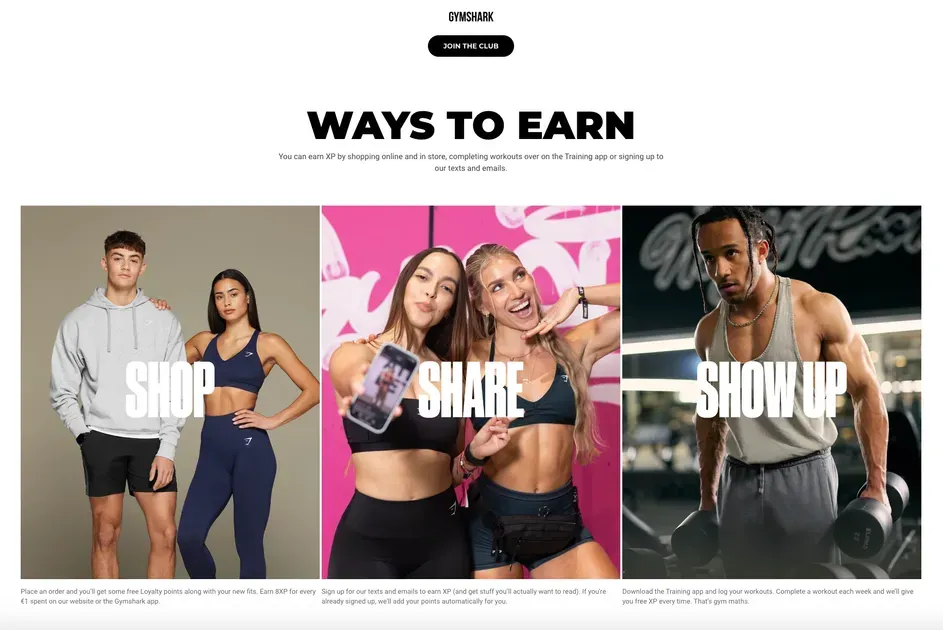
Points-based programs reward customers for actions such as purchases, account creation, and product reviews. Customers can redeem points for discounts, free products, or other perks. New merchants can use Shopify loyalty apps to manage rewards and track customer activity without handling everything manually.
Store Credit and Cashback Programs
Store credit and cashback programs give customers a financial reward after a purchase. For example, a store can offer $5 in credit for every $100 spent. Customers can apply their balance to future orders, which encourages repeat purchases and gives them a clear reason to return.
VIP Tier Loyalty Programs
VIP programs group customers into levels based on spending, purchase frequency, or points earned. Each level unlocks better benefits, such as free shipping, early product access, or priority support. New Shopify merchants can start with two or three tiers and set clear goals for reaching each level.
Discount and Exclusive Offer Programs
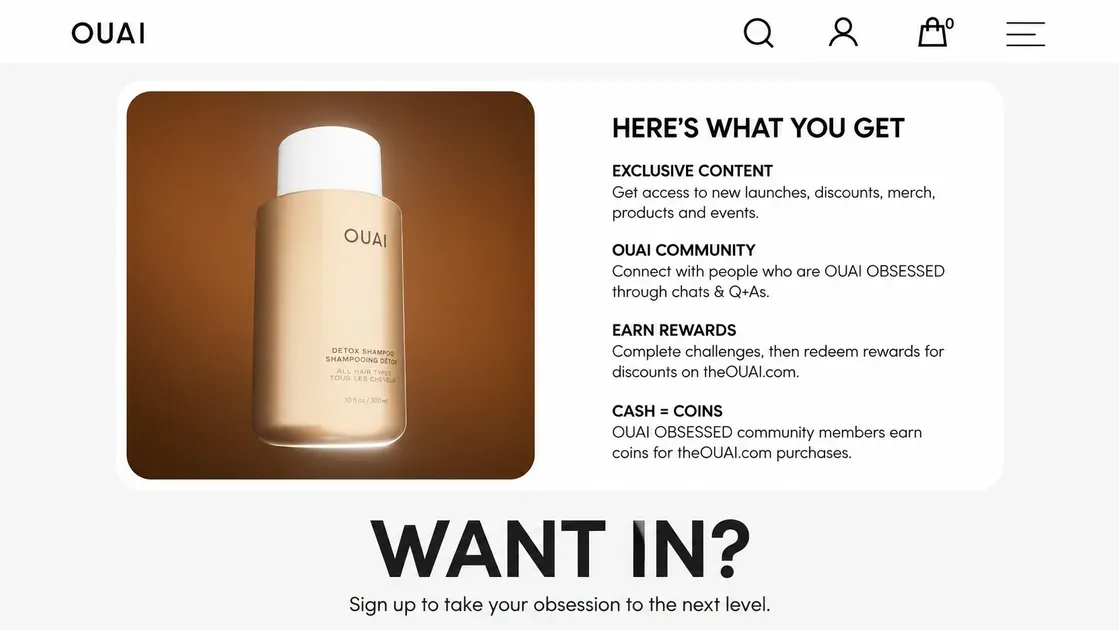
This approach rewards returning customers with special discounts, limited-time deals, or members-only products. Merchants can also offer birthday coupons or early access to new collections. Keep offers relevant and avoid frequent discounts that may reduce profit margins or make customers wait for sales.
Referral-based Loyalty Programs
Referral programs encourage existing customers to recommend a store to friends and family. For example, both the referring customer and the new buyer can receive a discount after the first purchase. This approach helps new Shopify stores attract potential customers through personal recommendations while rewarding existing shoppers.
7 Simple Strategies to Build Customer Loyalty on Shopify
Shopify merchants do not need a large budget to build strong customer relationships. Small improvements in shopping, service, and follow-up can encourage buyers to return and recommend a store to others.
Below are seven practical strategies to help new store owners build customer loyalty on Shopify.
1. Create a Seamless Experience That Encourages Repeat Purchases
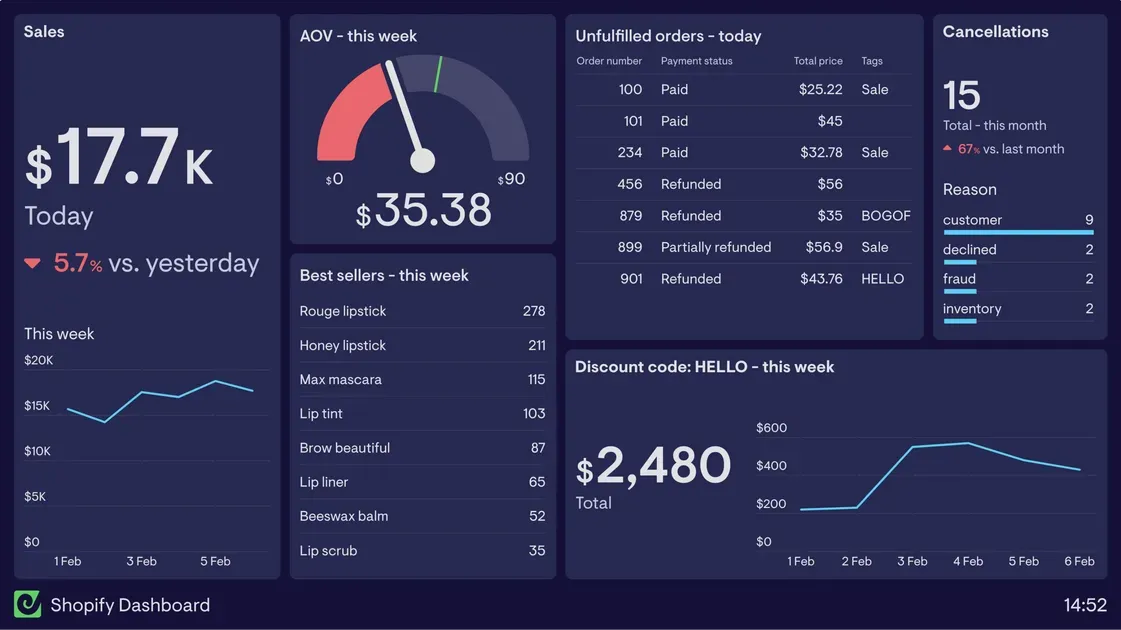
A positive first purchase can build trust, but a convenient and consistent experience gives customers more reasons to return. Shopify merchants can encourage repeat purchases by making it easy for shoppers to find previously purchased products, discover relevant items, and complete their next orders without unnecessary steps.
Start by reviewing your customers’ purchasing patterns in Shopify Analytics to identify products they buy repeatedly. For consumable products, such as skincare or coffee, send timely replenishment reminders based on typical usage cycles. For other products, recommend complementary items that match customers’ previous purchases. Shopify customer accounts can also help returning shoppers access their order history and manage their account details.
Keep the experience consistent after checkout, too. Send useful order updates, provide clear product care instructions, and explain how customers can get support if they need it. These follow-up interactions help customers feel confident about their purchases and know what to expect from future orders.
By removing friction from the buying process and making each interaction relevant, new Shopify merchants can give satisfied customers practical reasons to choose their store again.
2. Turn Post-Purchase Support Into Lasting Customer Relationships
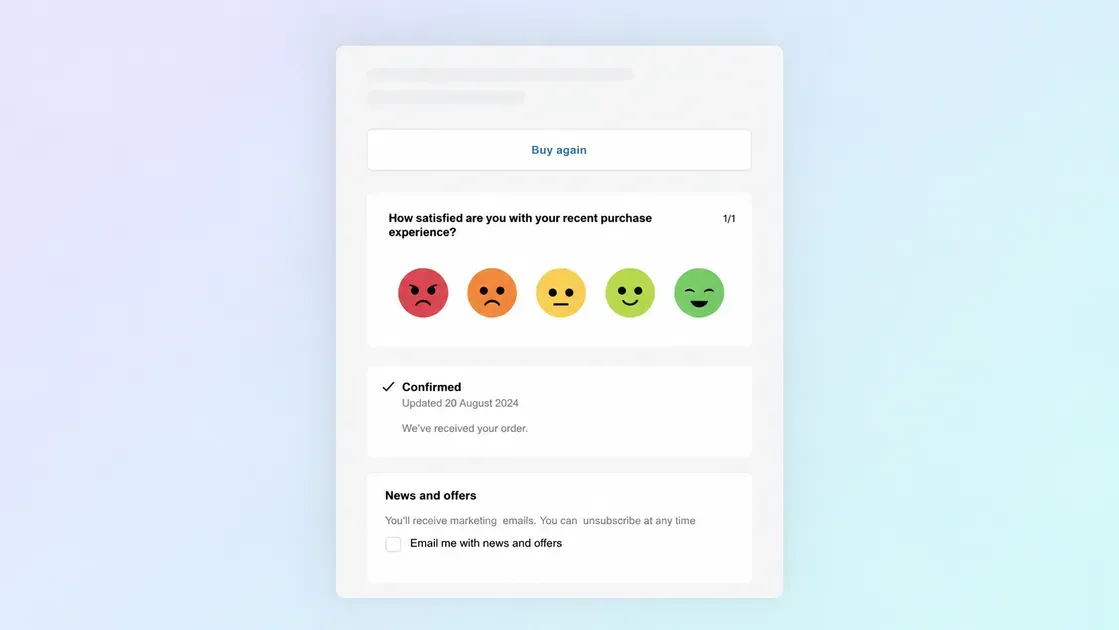
Customer support can build loyalty when shoppers feel that a store genuinely cares about their experience, even after a problem occurs. Instead of focusing only on response speed, Shopify merchants should aim to resolve issues effectively, follow up with customers, and make each interaction a reason to trust the store again.
Start by identifying situations that may discourage customers from making another purchase, such as delayed deliveries, damaged products, or confusing product instructions. After resolving an issue, follow up to confirm that the customer is satisfied with the solution. For example, if a shopper receives a damaged item, provide clear replacement or refund options and check whether the issue has been resolved. This extra step shows customers that the store takes responsibility for their experience.
Merchants can also personalize support using relevant purchase history and previous customer interactions. For example, provide product-specific care instructions after an order or recommend suitable solutions based on an item the customer has purchased. Shopify Inbox can help merchants manage customer conversations, while Shopify customer records can provide useful context for follow-up support.
Finally, review recurring complaints and feedback to identify problems that may affect customer retention. If several customers report the same issue, improve the relevant product information, delivery communication, or support process. By addressing problems and following through on solutions, new Shopify merchants can strengthen customer trust and encourage more shoppers to return.
3. Launch a Simple Shopify Customer Loyalty Rewards Program
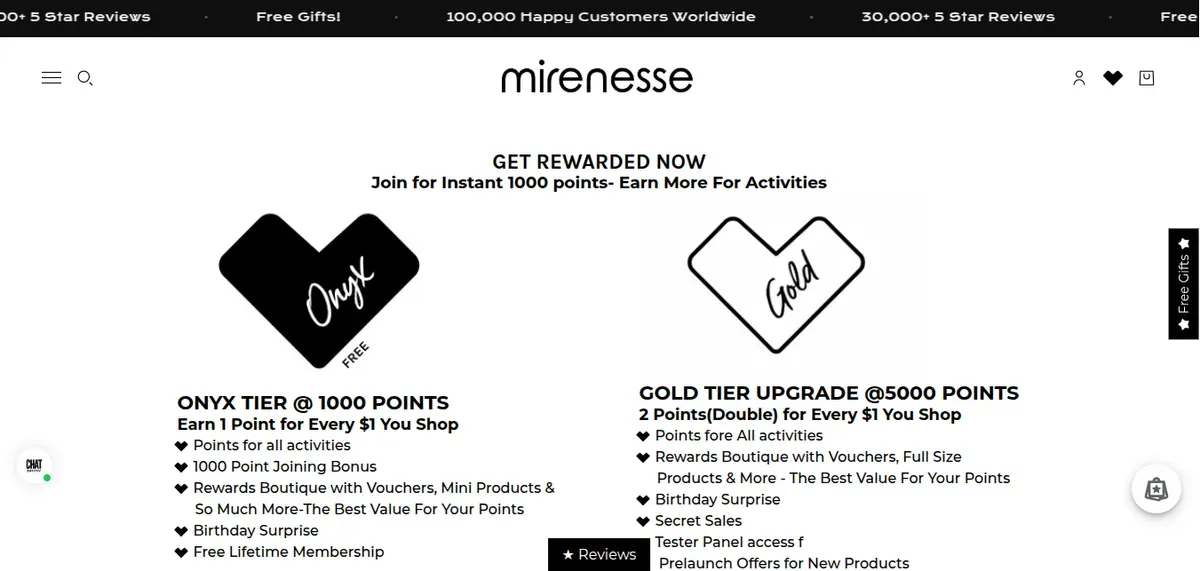
A loyalty program gives shoppers a reason to choose the same store again. Start with a simple points-based system that rewards purchases, reviews, or referrals. Customers can exchange their points for discounts, free shipping, or other useful benefits.
New merchants can explore Shopify loyalty apps to manage points and rewards. Set clear rules, keep rewards easy to redeem, and choose benefits that fit the store's budget. Track repeat purchase rates to see if the program encourages customers to return.
4. Send Personalized Post-Purchase and Re-Engagement Emails
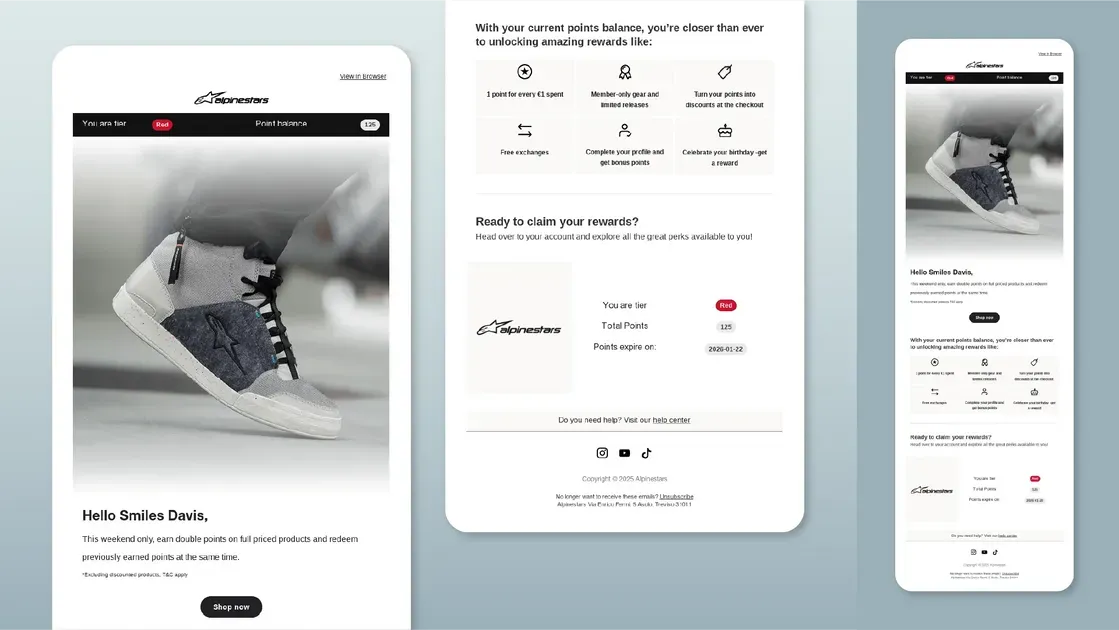
Email marketing helps maintain relationships after customers complete their orders. Send a thank-you message, share product care tips, or recommend related items based on previous purchases. These messages add value instead of focusing only on sales.
Shopify Messaging supports marketing automations for post-purchase follow-ups, welcome emails, and win-back campaigns.
Start with three useful email flows:
Post-purchase email: Thank customers and explain how to use or care for their products.
Replenishment reminder: Remind customers to restock products they use regularly.
Win-back email: Send a relevant offer to customers who have not purchased for some time.
Use customer segments to make each message more relevant. Always respect marketing consent and provide an easy way to unsubscribe.
5. Collect Customer Feedback and Act on It
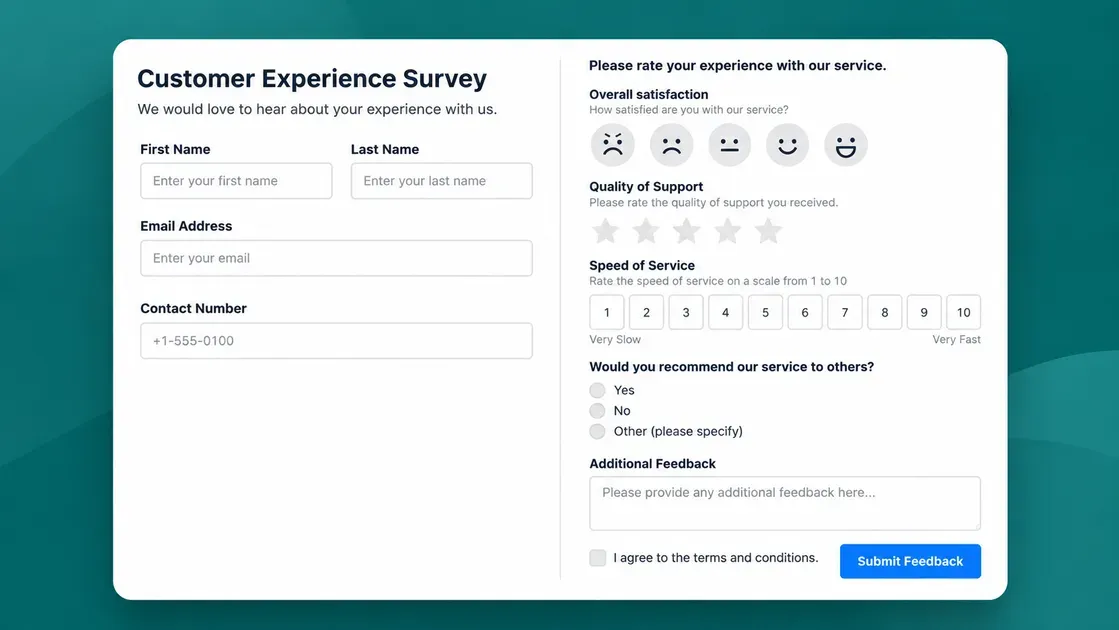
Customer feedback helps merchants find problems that may prevent repeat purchases. Ask buyers about product quality, delivery, checkout, and support after they receive an order. Use short surveys or review request emails to make sharing feedback easy.
More importantly, act on what customers say. If shoppers report confusing sizing, improve product descriptions and size guides. If delivery updates cause frustration, provide clearer tracking information. Responding to feedback shows customers that their opinions matter and helps improve the overall shopping experience.
6. Reward Customer Referrals and Word-of-Mouth Recommendations
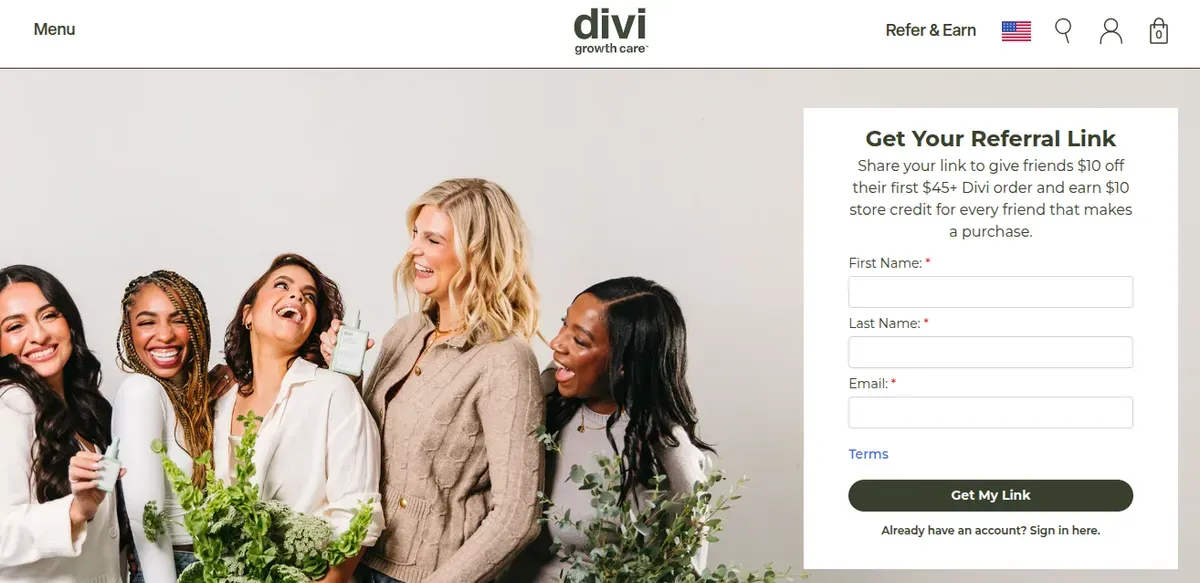
Happy customers can help a new Shopify store reach more potential buyers. Create a referral program that rewards existing customers when their friends place qualifying orders. For example, offer the referrer a store credit and give the new customer a first-order discount.
Keep the process simple. Provide a unique referral link or code that customers can share by email or social media. Set clear eligibility rules and monitor referral orders to measure results. Choose rewards that protect profit margins while giving both customers a meaningful benefit.
7. Make Repeat Purchases Easier With Customer Accounts and Convenient Reordering
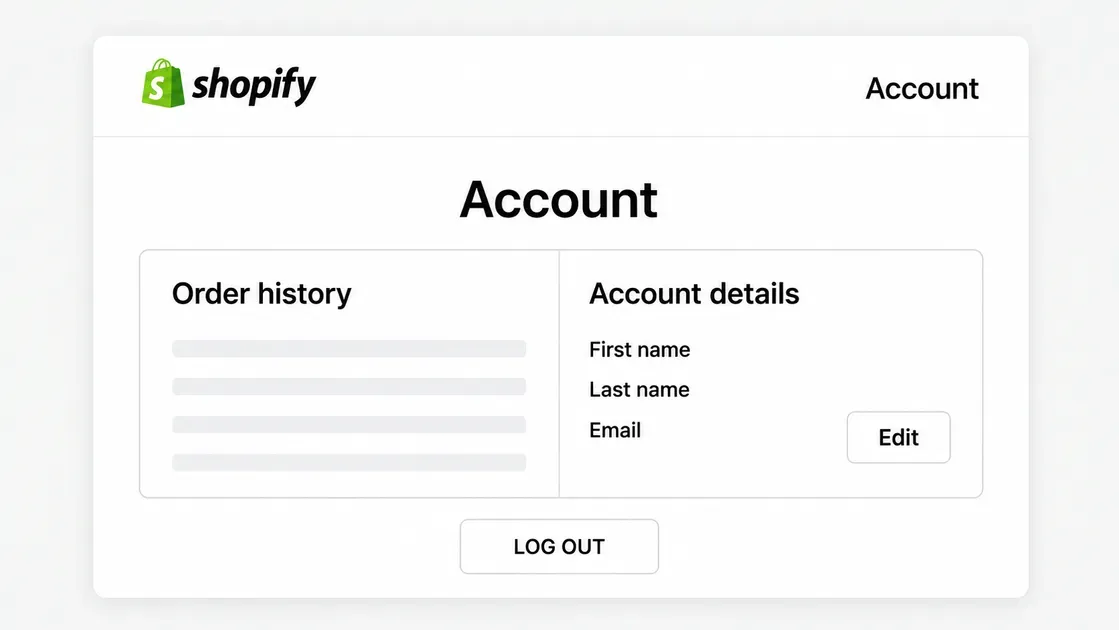
Customers may hesitate to return if they need to repeat every step of their previous purchase. Shopify customer accounts help reduce this friction by letting shoppers view order history, manage account details, and reorder eligible products.
Enable customer accounts and make the sign-in option easy to find. Use clear product categories, helpful search filters, and a mobile-friendly checkout to simplify shopping. For stores selling consumables, consider subscription options or timely restock reminders. The easier it is to buy again, the simpler it becomes for satisfied customers to return.
Shopify Customer Loyalty Success Stories
Successful Shopify brands show how a well-planned loyalty strategy can encourage repeat purchases and strengthen customer relationships. These examples offer practical lessons for new merchants who want to turn first-time buyers into loyal customers.
Mokobara
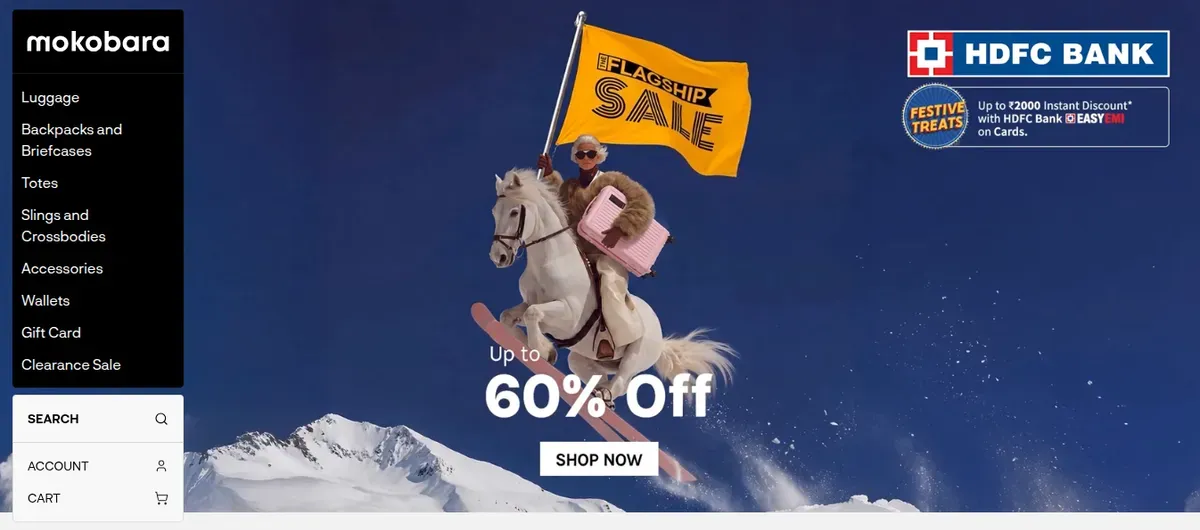
Mokobara, an Indian travel gear brand, used Shopify Plus to improve its customer experience and introduce personalized loyalty incentives. Its membership program offers benefits such as exclusive discounts, including during sales events.
The results highlight the value of customer loyalty: Mokobara reported a 30% year-over-year increase in customer retention, while loyalty members generated three times more sales than non-members. The brand also doubled its year-over-year revenue after upgrading to Shopify Plus.
Lesson for new merchants: Offer clear membership benefits and personalize rewards to give customers a reason to return.
Lola’s Cupcakes
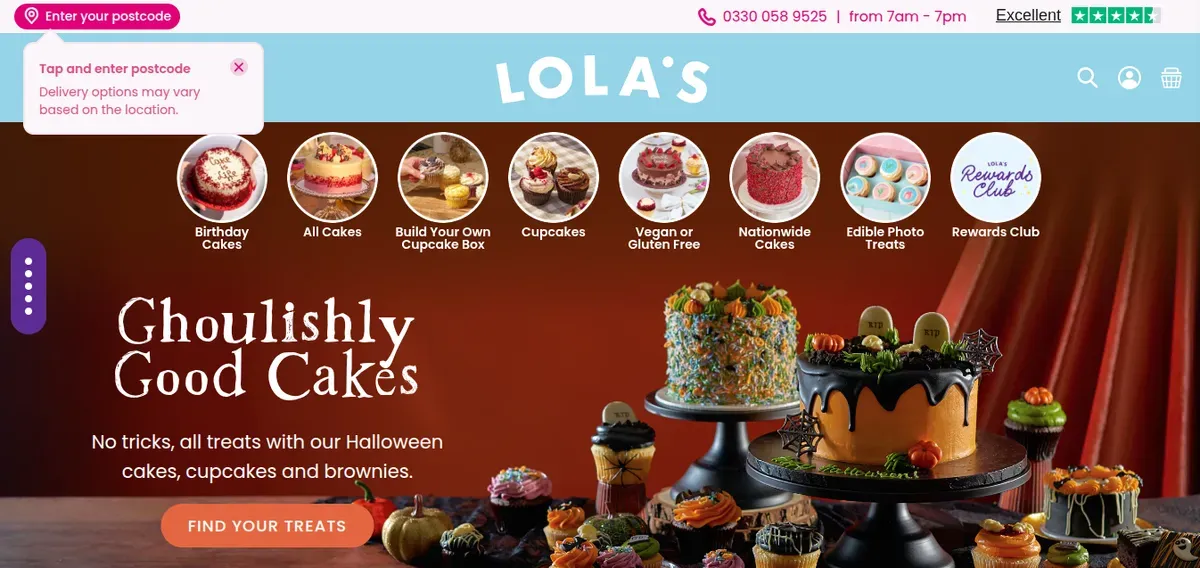
Lola’s Cupcakes needed a loyalty program that worked smoothly across its online store and physical locations. By connecting Shopify POS with Smile.io, the bakery enabled customers to earn and redeem loyalty points across both channels.
The results included more than 10,000 new members joining Lola’s Love Club and over one million purchases through Shopify POS in less than a year.
Lesson for new merchants: Make rewards easy to earn and redeem. If a store sells through multiple channels, it creates a consistent experience across every shopping touchpoint.
Fiesta Tableware
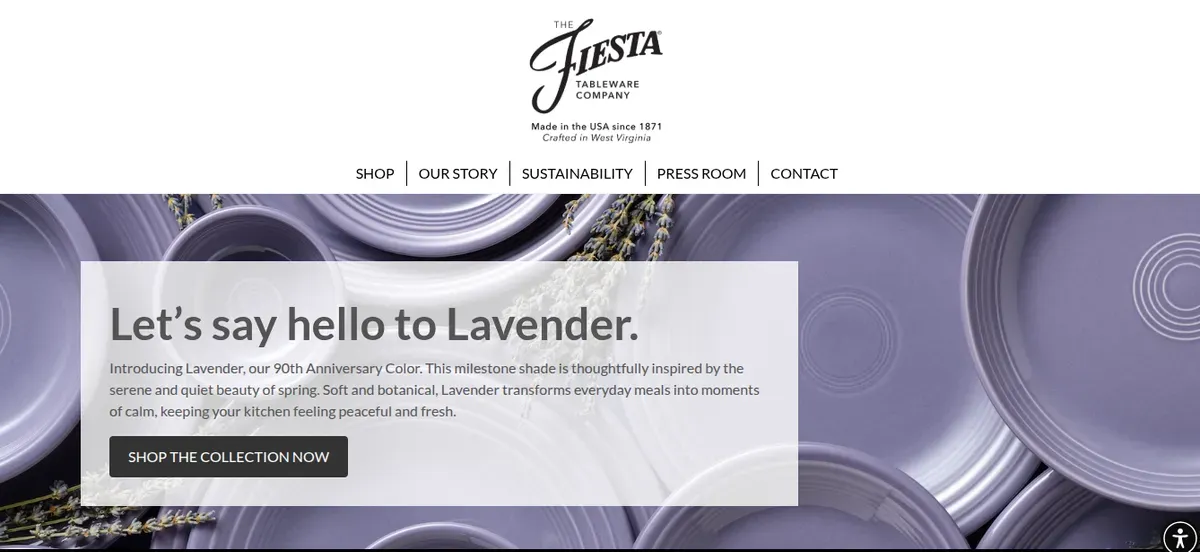
Fiesta Tableware built Plate Pal Perks, a VIP loyalty program with four tiers. Members unlock benefits as they progress, including discounts and exclusive offers. The brand also uses loyalty data to identify top point earners and send targeted promotions.
Since launching its loyalty program, Fiesta Tableware has doubled its purchase frequency and achieved a 32% average monthly increase in orders.
Lesson for new merchants: Use customer data to offer relevant rewards. Start with a simple points or VIP program, then refine the benefits based on purchasing behavior.
Best Shopify Customer Loyalty Apps for New Store Owners
The right Shopify customer loyalty app can help new merchants reward repeat purchases, encourage referrals, and strengthen customer relationships. These three options offer different features and pricing levels to suit growing stores:
App | Main feature | Pros | Cons | Pricing | Rating | Best for |
Points, referrals, and VIP tiers | Easy to use; customizable rewards | Advanced features require paid plans | Free; paid plans from $15/month | 4.9/5 | Beginners launching a loyalty program | |
Loyalty, reviews, and wishlists | All-in-one solution; combines several tools | More features may take time to manage | Free; paid plans from $15/month | 4.8/5 | Stores seeking multiple customer engagement tools | |
Loyalty points, referrals, and VIP tiers | Flexible customization; marketing integrations | Some advanced features require higher plans | Free; paid plans from $15/month | 4.7/5 | Growing stores focused on retention |
Smile: Loyalty Program Rewards
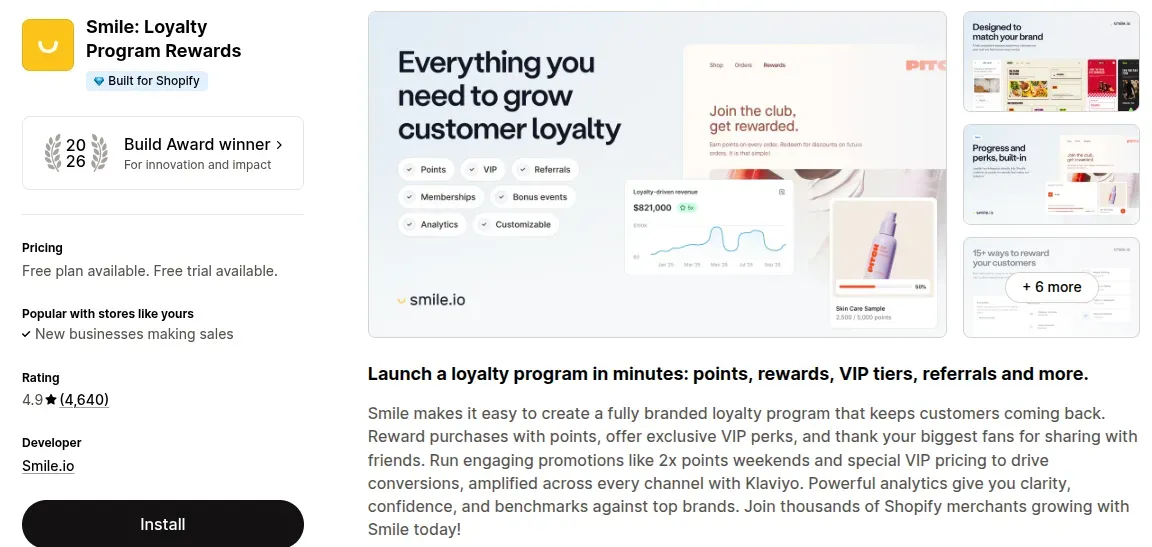
Smile helps Shopify merchants create branded loyalty programs with points, referrals, and VIP tiers. It supports more than 15 ways to earn and redeem rewards, including discounts and free shipping. Shopify POS and email integrations help connect loyalty activities with other customer touchpoints.
Pricing: Free plan; paid plans start at $15/month.
Rating: 4.9/5.
Best for: New stores that need a simple, customizable rewards program.
Growave: Loyalty & Wishlist
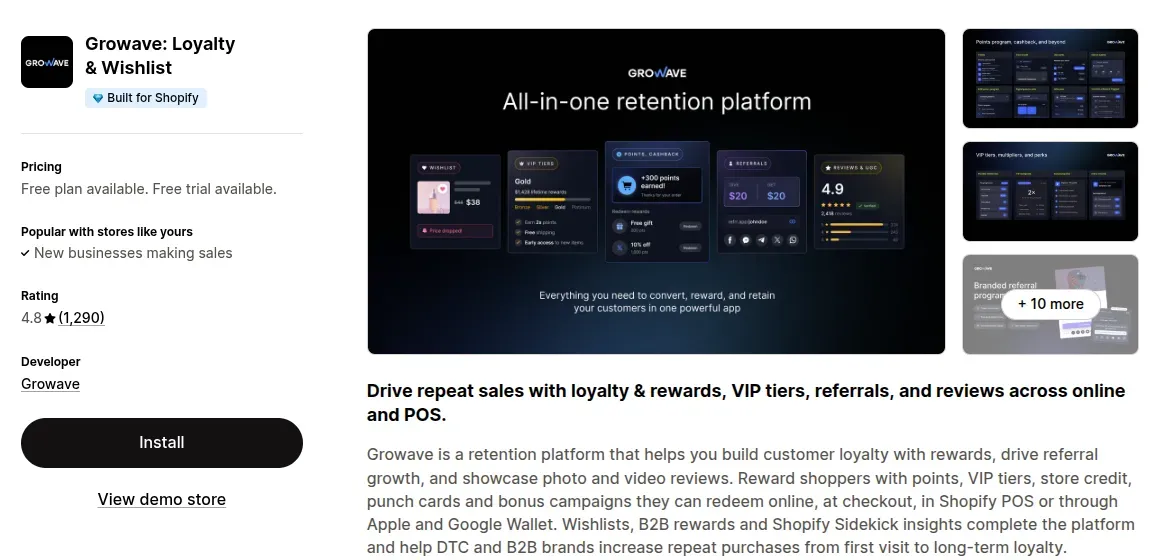
Growave combines loyalty rewards with product reviews, wishlists, referrals, and VIP tiers. This all-in-one platform helps merchants manage several customer engagement tools in one place. It also supports Shopify POS and store credit.
Pricing: Free plan; paid plans start at $15/month.
Rating: 4.8/5.
Best for: Stores that want loyalty, reviews, and wishlists in one app.
Rivo: Loyalty Program, Rewards
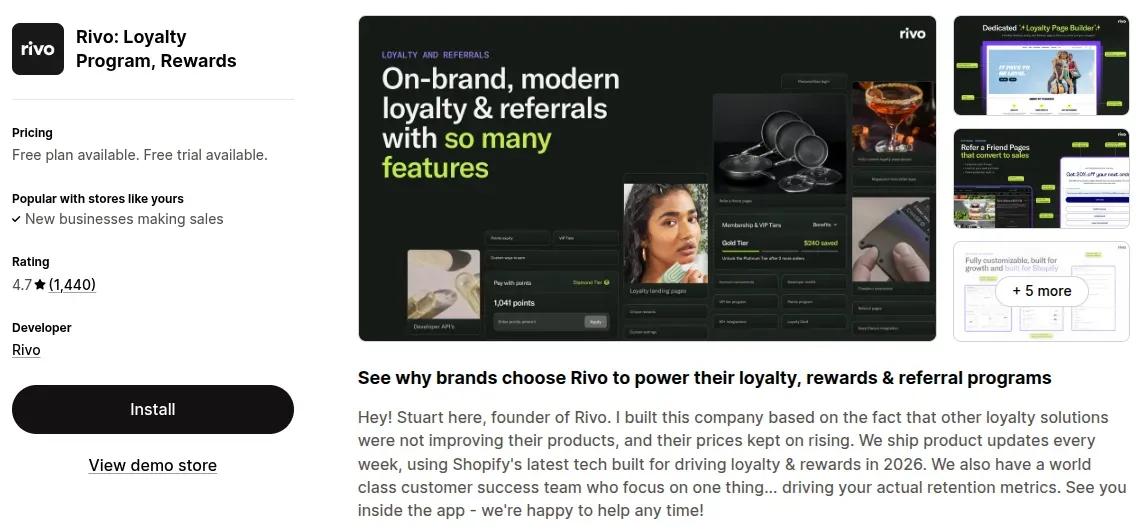
Rivo focuses on loyalty points, referrals, VIP tiers, and customer retention. Merchants can customize rewards, automate email campaigns, and connect the app with Shopify POS and marketing tools.
Pricing: Free plan; paid plans start at $15/month.
Rating: 4.7/5.
Best for: Growing stores that want flexible loyalty and referral features.
How to Select the Best Shopify Customer Loyalty Apps
Use the criteria below to compare options before making a decision:
Criteria | What to Look For |
Ease of setup and use | Choose a simple dashboard, clear setup steps, and easy reward management. |
Core loyalty features | Check for points, referrals, VIP tiers, discounts, and reward redemption. |
Pricing | Compare free plans, monthly fees, order limits, and costs for advanced features. |
Integration with Shopify | Ensure smooth integration with Shopify checkout, customer accounts, POS, and marketing tools as needed. |
Customization options and scalability | Look for branded rewards, flexible rules, and features that support business growth. |
Customer support | Check support hours, response options, setup guides, and user reviews. |
How to Measure Customer Loyalty on Shopify
Measuring customer loyalty helps new Shopify merchants understand which strategies encourage shoppers to return and spend more. Track purchase behavior and loyalty program activity to identify what works and where the store needs improvement.
Track Repeat Purchase Rate and Customer Lifetime Value
Repeat purchase rate shows the percentage of customers who buy more than once during a specific period. Divide the number of repeat customers by the total number of customers, then multiply by 100. A rising rate can signal stronger retention.
Customer lifetime value (CLV) estimates how much revenue a customer generates throughout the relationship with a store. Shopify merchants can review customer purchase history and spending patterns to identify valuable customer groups. Use these insights to improve follow-up emails, product recommendations, and rewards.
Monitor Loyalty Program Engagement and Redemption
A loyalty program only creates value when customers use it. Review your loyalty app’s dashboard to track key metrics, including:
Participation rate: The share of customers who join the program.
Reward redemption rate: The percentage of available rewards that customers redeem.
Points activity: How often members earn and spend points.
Repeat purchases by members: Whether enrolled customers return more often than non-members.
Compare these results each month to spot changes in customer behavior. If few members redeem rewards, simplify the redemption process or offer more appealing benefits. If participation remains low, promote the program on product pages, checkout pages, and post-purchase emails.
Shopify’s customer reports and cohort analysis can also help merchants compare repeat purchases and retention over time.
How to Build Customer Loyalty on Shopify?
New Shopify merchants do not need a complex retention plan to build lasting customer relationships. Follow this simple four-week roadmap to improve the shopping experience, encourage repeat purchases, and create a loyalty strategy that grows with the store:
Week 1: Improve the Shopping Experience. Review product pages, shipping details, checkout steps, and return policies. Make product information clear and ensure customers can find answers quickly. A smooth buying process builds trust from the first visit.
Week 2: Strengthen Customer Communication. Set up post-purchase emails to confirm orders, share delivery updates, and offer helpful product tips. Personalize messages based on customer purchases when possible. Keep every email useful and relevant.
Week 3: Launch a Simple Loyalty Program. Choose a Shopify loyalty app that fits the budget and offers useful rewards, such as points, discounts, or referral bonuses. Start with a few clear rules and explain how customers can earn and redeem rewards.
Week 4: Review Results and Improve. Check returning customer rate, repeat purchases, email engagement, and reward redemptions. Use Shopify Analytics to spot patterns and identify areas for improvement. Ask customers for feedback, then adjust the program based on their needs.
How to Use Shopify Analytics to Improve Customer Loyalty
Shopify Analytics helps merchants understand customer purchasing behavior, identify repeat purchase patterns, and evaluate retention efforts. By reviewing customer and sales reports regularly, new store owners can make informed decisions about how to improve their customer loyalty strategy on Shopify.
Analyze Returning Customer Rate
The returning customer rate shows the percentage of customers who have made more than one purchase from a store. Review this metric in Shopify Analytics to understand whether customers are coming back after their first order.
If the rate increases: Identify which products, promotions, or post-purchase campaigns may encourage customers to return.
If the rate stays low: Review product quality, shipping experiences, customer feedback, and follow-up emails to find potential barriers to repeat purchases.
Compare results across consistent time periods to identify trends rather than relying on a single month's performance.
Use Customer Cohort Analysis to Track Retention
Customer cohort analysis groups shoppers based on when they made their first purchase and tracks their purchasing behavior over time. This helps merchants understand how many customers return in the weeks or months after their initial order.
For example, compare customers who first purchased in January with those who first purchased in February. If one group has a higher repeat purchase rate, investigate whether differences in product selection, email campaigns, or loyalty rewards may explain the results.
Use these insights to identify when customers are most likely to return and schedule relevant follow-up messages or replenishment reminders.
Identify Products That Encourage Repeat Purchases
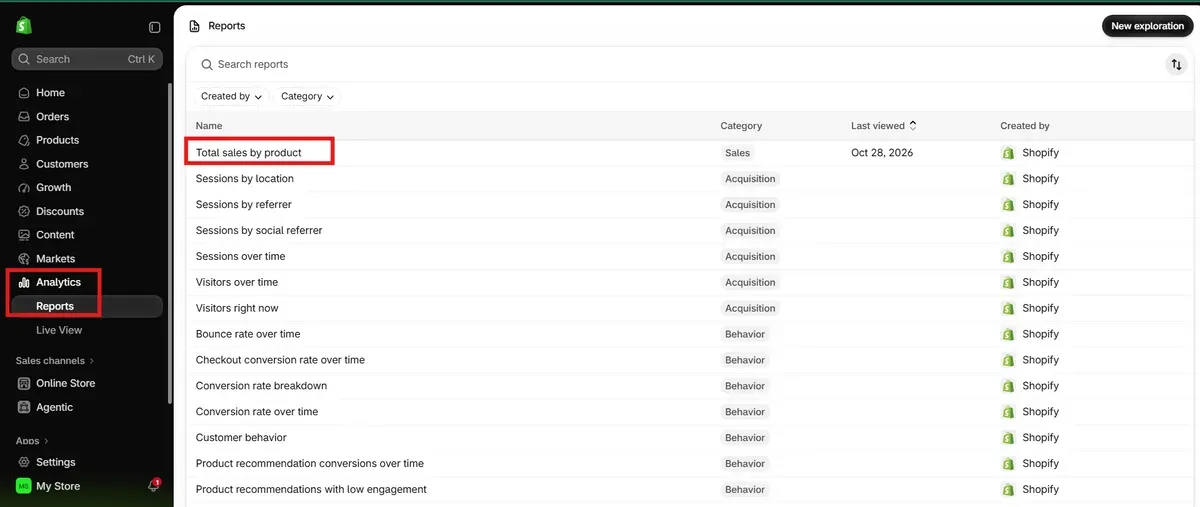
Use Shopify Analytics to identify products that generate repeat purchases and understand when customers are likely to buy again. In your Shopify Admin, go to Analytics > Reports and review these reports:
Total sales by product: Compare product sales over a consistent period, such as the last 30 or 90 days. Review net sales and the number of items sold to identify products with steady demand. This report shows sales performance, but it does not independently confirm which products individual customers repurchase.
Customer cohort analysis: Open this report under the Customers category and filter the analysis by Product name under the first-order filters. Review customer retention rates, orders, and average orders per customer over subsequent weeks or months to understand whether customers who first purchased a particular product return to buy again.
For example, if customers who initially purchase a skincare product frequently place additional orders in later months, consider sending replenishment reminders based on typical usage patterns. If a product attracts many first-time buyers but shows limited repeat purchasing, review customer feedback and consider recommending complementary products instead of assuming customers will buy the same item again.
Use these findings to decide which products are suitable for replenishment campaigns, subscriptions, or cross-selling offers. Compare results over consistent periods and allow enough time for customers to make another purchase before changing your strategy.
Measure the Impact of Your Loyalty Program
If the store uses a Shopify loyalty app, compare purchasing behavior among loyalty members and non-members. Review repeat purchase rates, average order value, and purchase frequency where the available reports or app integrations support these metrics.
For example, if loyalty members return more often than other customers, the program may contribute to retention. However, this difference alone does not prove that the program caused improvement, as members may already be more engaged with the store.
Track results before and after introducing new rewards, and use the loyalty app's dashboard alongside Shopify Analytics to evaluate performance.
Turn Analytics Insights Into Action
Shopify Analytics is most useful when merchants turn reporting insights into specific improvements. Review key metrics monthly and choose one or two actions to test, such as improving post-purchase emails, adjusting reward offers, or simplifying the reordering process.
Record the changes and compare results over a consistent period. This approach helps new merchants refine their customer loyalty strategy on Shopify based on actual customer behavior rather than assumptions.
FAQs About Shopify Customer Loyalty
Can Shopify Customer Loyalty Programs Increase Sales?
Yes. Loyalty programs can encourage repeat purchases, referrals, and higher spending by offering rewards that customers value. Shopify’s guide explains how rewards can help merchants drive sales and strengthen customer relationships.
Does Shopify Have a Built-In Customer Loyalty Program?
Shopify does not offer a dedicated, built-in loyalty program that manages points and rewards automatically. Merchants can use third-party apps from the Shopify App Store to set up points, referrals, and VIP rewards.
How Long Does It Take to Build Customer Loyalty?
Building customer loyalty takes time and consistent effort. New Shopify merchants can start seeing early signs through repeat purchases and program engagement within weeks or months, but lasting loyalty depends on product quality, reliable service, and ongoing customer value.
Final Thoughts
Building Shopify customer loyalty starts with creating a reliable shopping experience, providing helpful service, and rewarding returning buyers. New merchants can begin with simple loyalty programs, personalized emails, and customer feedback to strengthen relationships. By tracking results and continuously improving the shopping experience, store owners can encourage repeat purchases, increase customer retention, and build a loyal customer base that supports long-term business growth.

Hey! I'm Linda Bui. Join me as we explore tips and tutorials about Shopify apps and Shopify themes for your Shopify store.
Start Building Trust Today
Install the Product Reviews app to improve your store's credibility and boost sales with real customer reviews.
Get Started with Zero CostWhat to not miss out on our blog
Gain insightful knowledge and invaluable experiences from dedicated experts.

Shopify Growth Strategy for New Stores: 12 Tactics That Drive Sales
Struggling to grow your Shopify store? Follow this Shopify growth strategy to improve SEO, attract buyers, recover abandoned checkouts, and increase sales.

Newsletter
Get all the stories you need-to-know from the most powerful name in news delivered first thing every morning to your inbox